
Wood Species Available
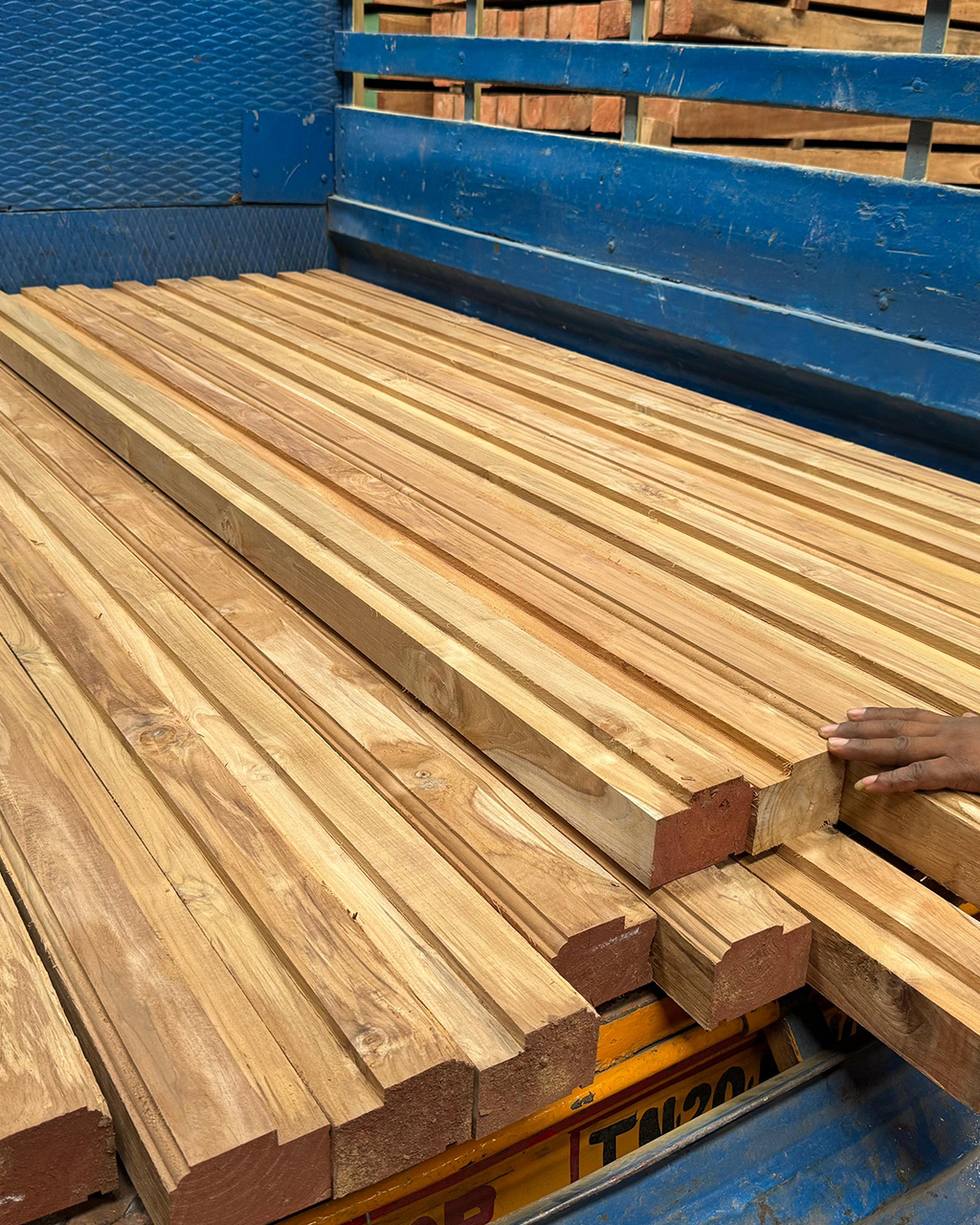
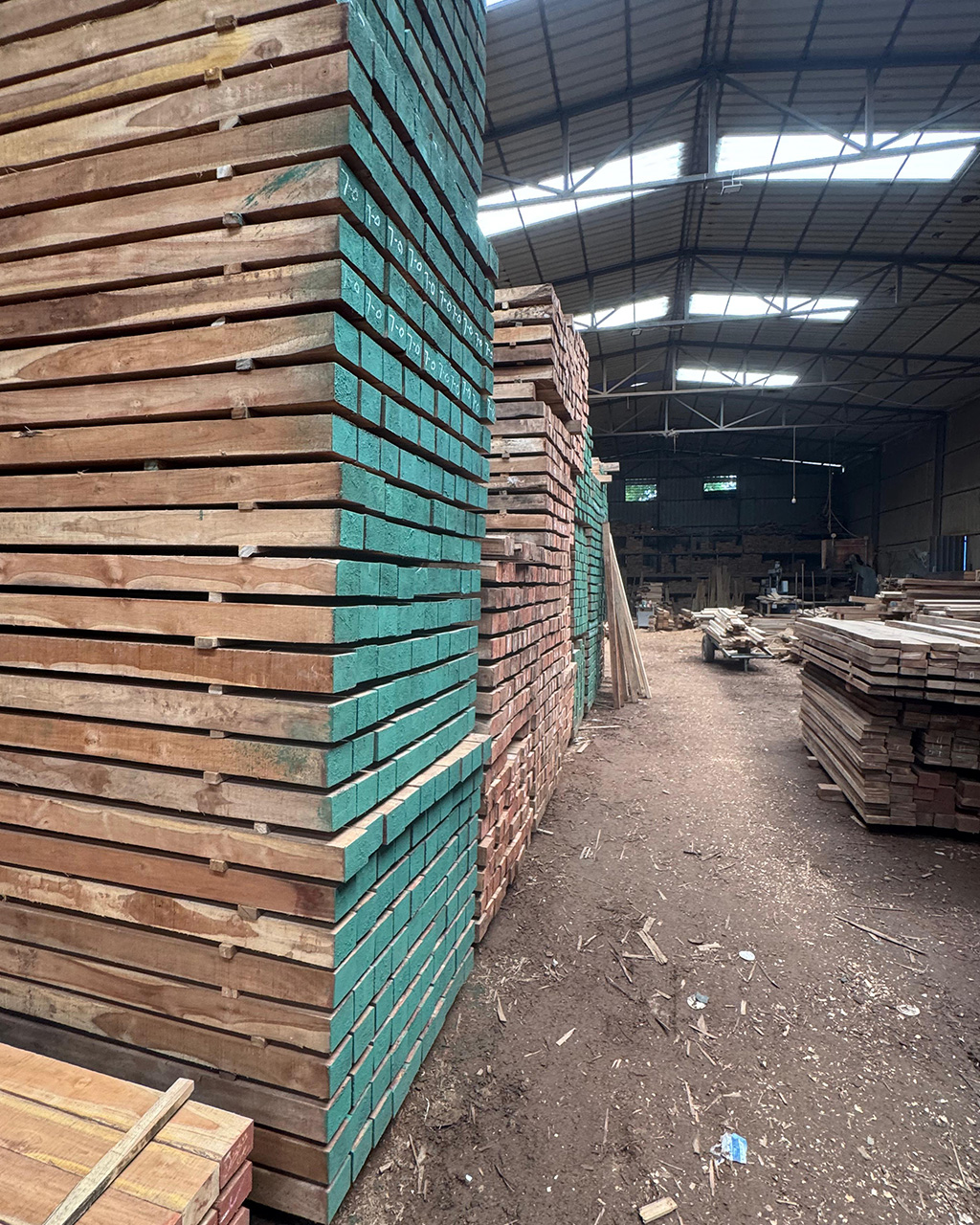
Teak Wood
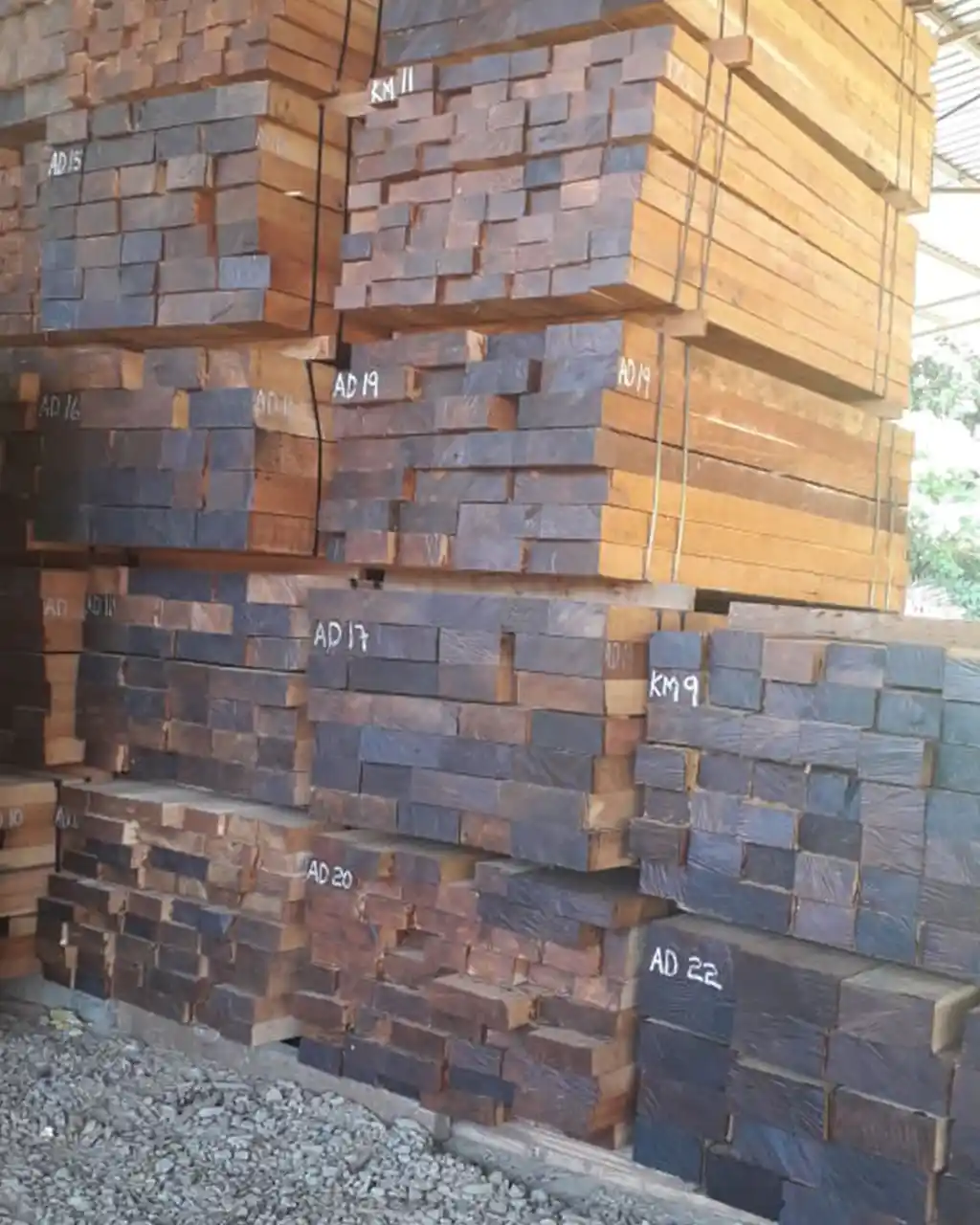
Teak wood is a dense, close-grained type of hardwood that is sourced from the Tectona grandis tree, native to south and southeast Asia. Teak is originally golden in colour and has a smooth grain and texture. It’s high in natural oils and rubber, meaning it’s strong, durable, and virtually impervious to extreme weather conditions and rotting, even if left untreated. Natural teak wood’s incredible beauty and unique properties have earned it the royal title ‘King of Woods’. High in silica content, teak has excellent traction for decks even in wet condition. It polishes to a beautiful shine loved by master sculptors and craftsmen.
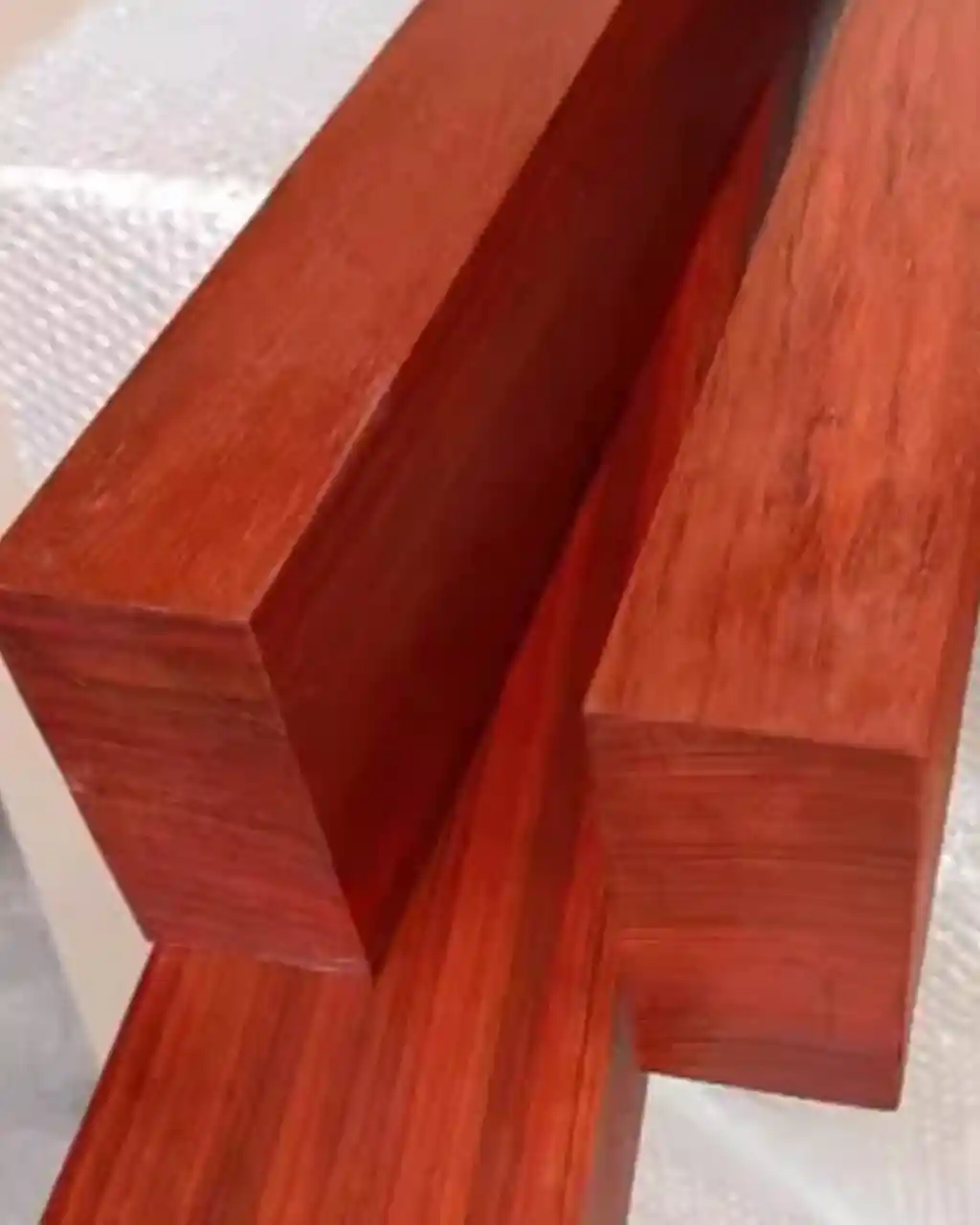
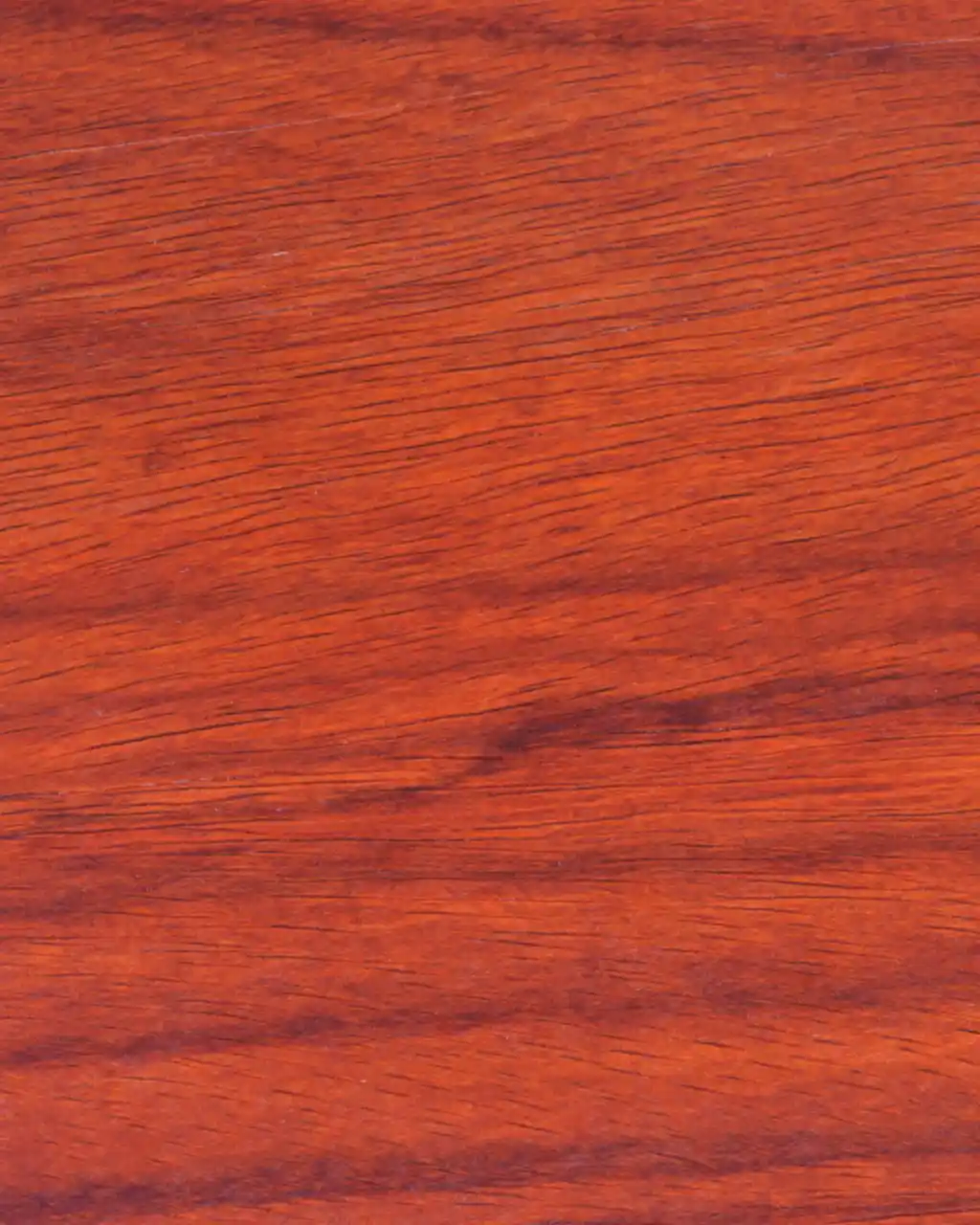
Padouk
Merbau
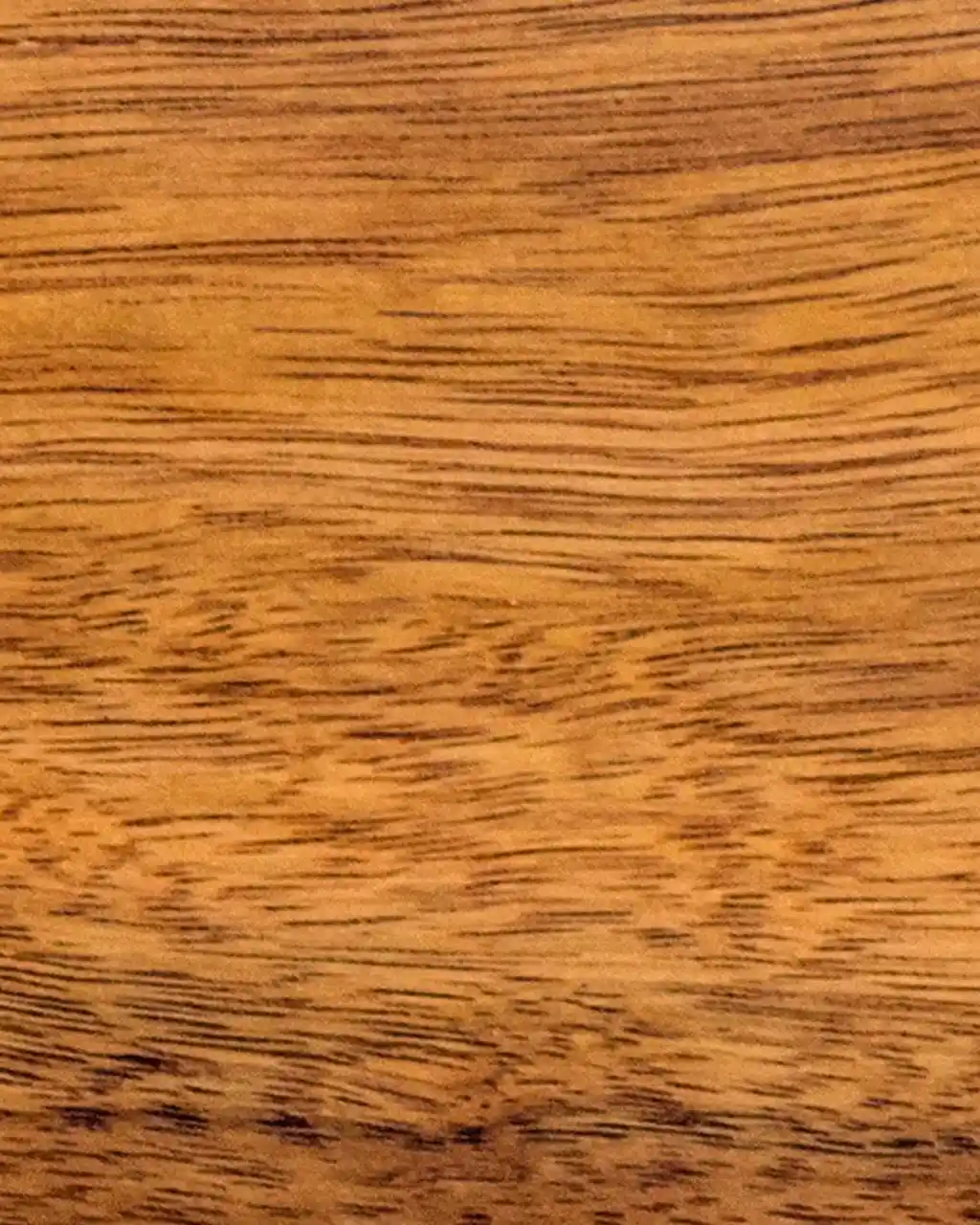
This wood has excellent strength characteristics, along with excellent stability, making it ideally suited for use as wood flooring and other applications where strength is important. Merbau is quite resistant to termites and seasons well with kiln or air-drying, exhibiting only a low degrade and very little shrinkage or movement. The grain of merbau can vary but it is usually interlocked or wavy, with a coarse but even texture, often prized for its attractiveness on backsawn material.
Sal Wood
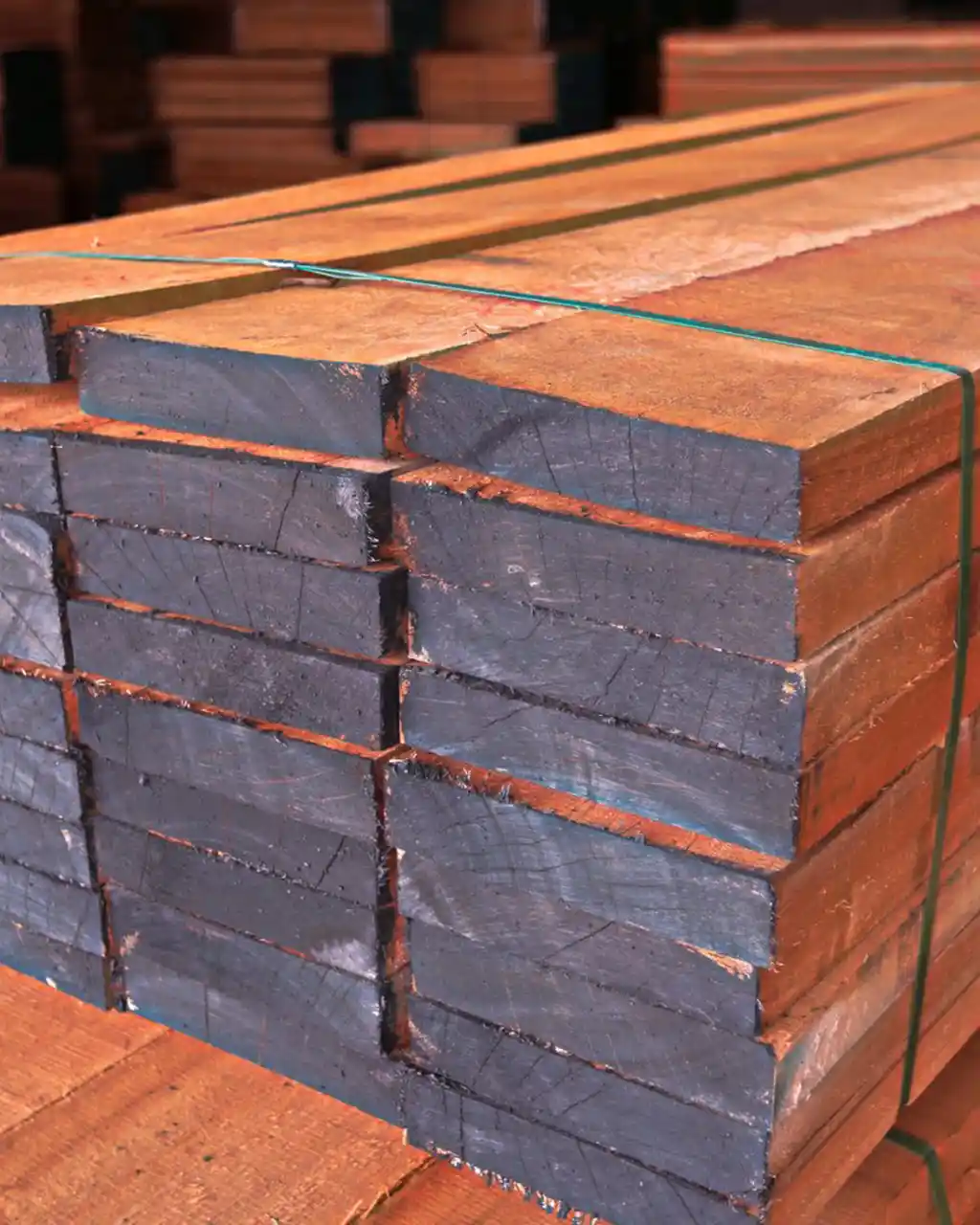
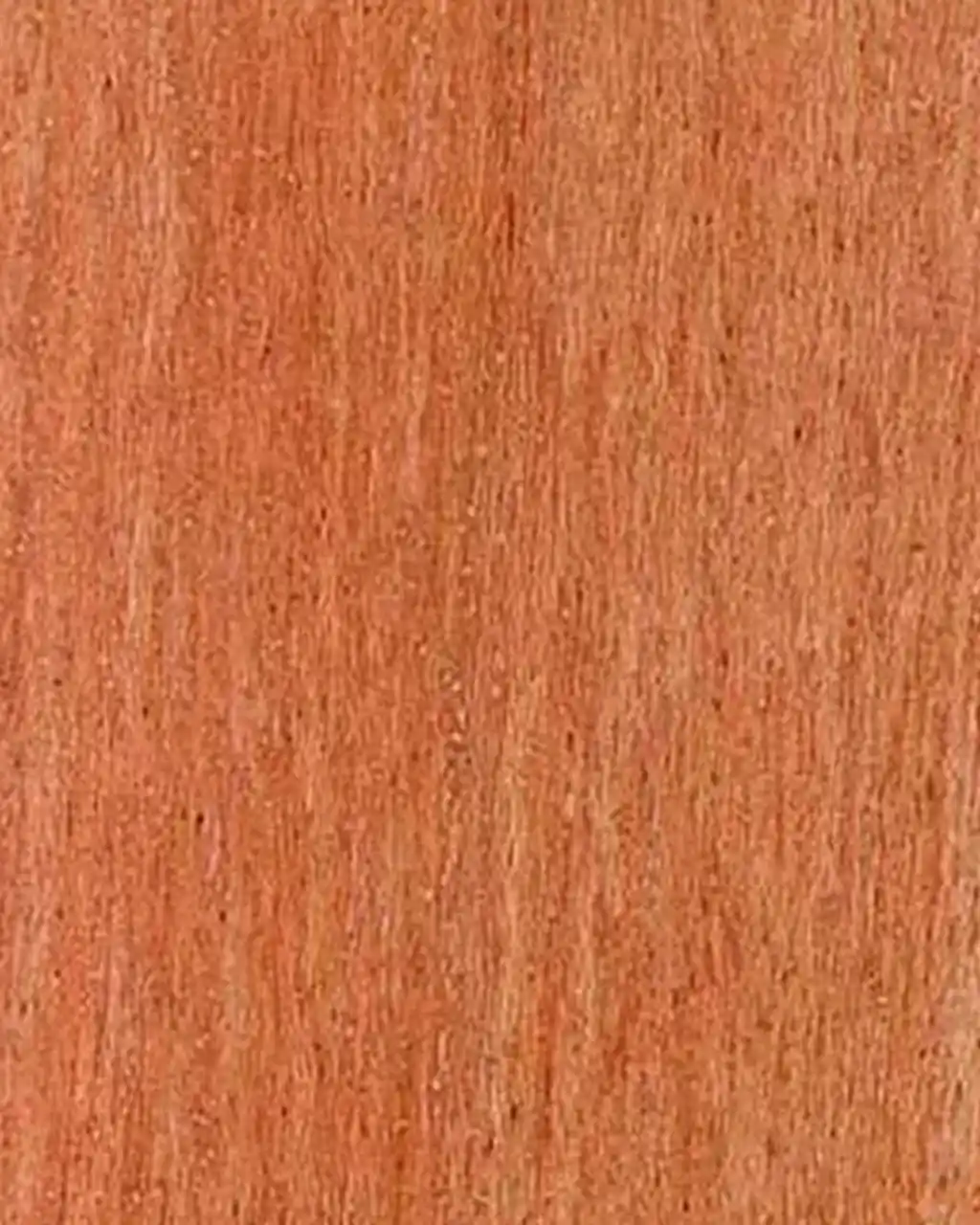
Sawn Red Meranti
Red Meranti grows in the Philippines, Malaysia, Indonesia and Thailand. The timber is suitable for joinery, furniture, high class interior finishing, flooring, decking, panelling, partitioning, mouldings, skirtings, fancy doors, door and window frames and sills, staircase (angle blocks, rough bracket and tread), plywood, railway sleepers, posts, beams, joists, rafters, pallets (expendable type), vehicle bodies (framework, floor boards and planking), ship and boat building (keels, keelsons, framework and general planking), cooling tower (nonstructural members) and other light constructional works
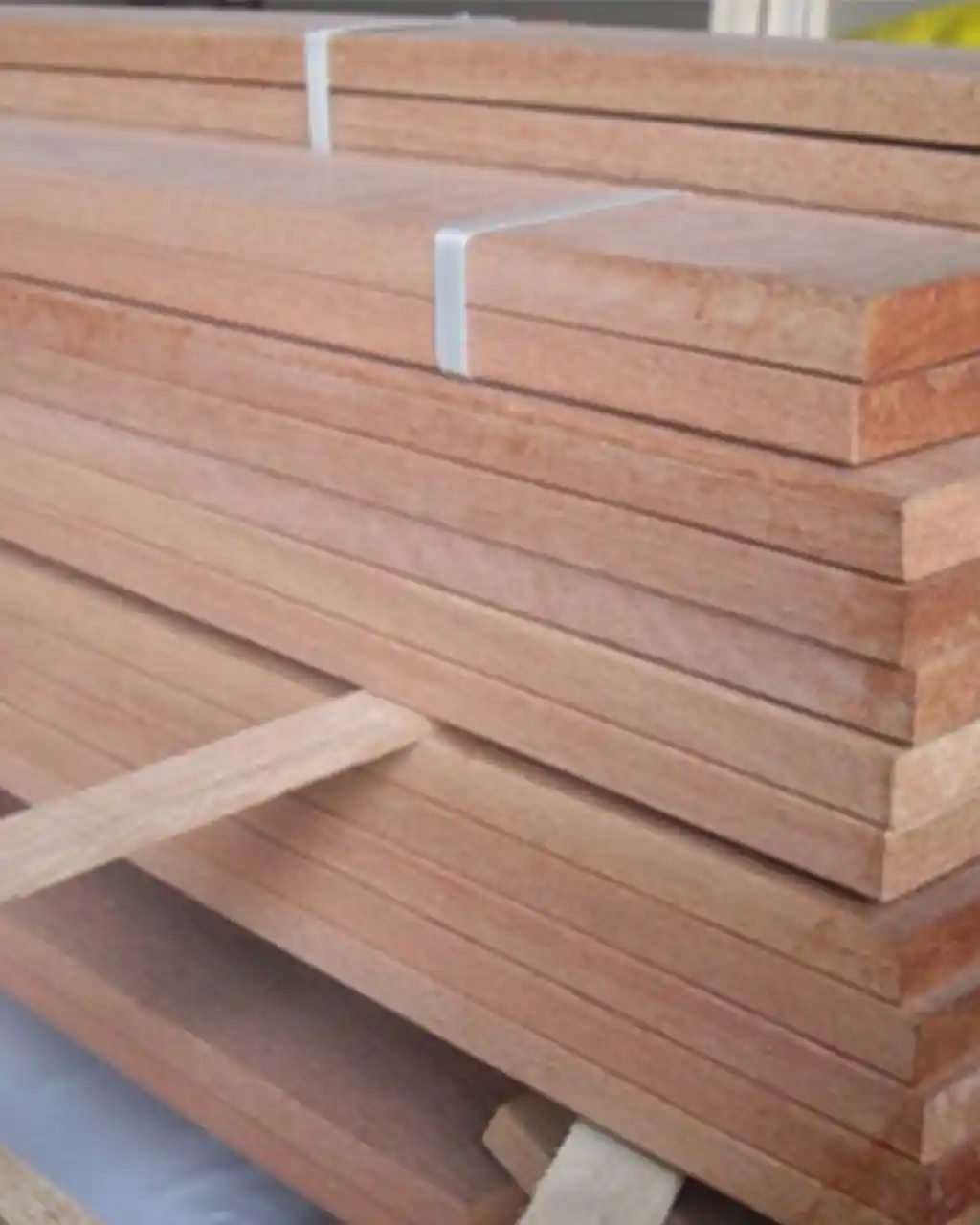
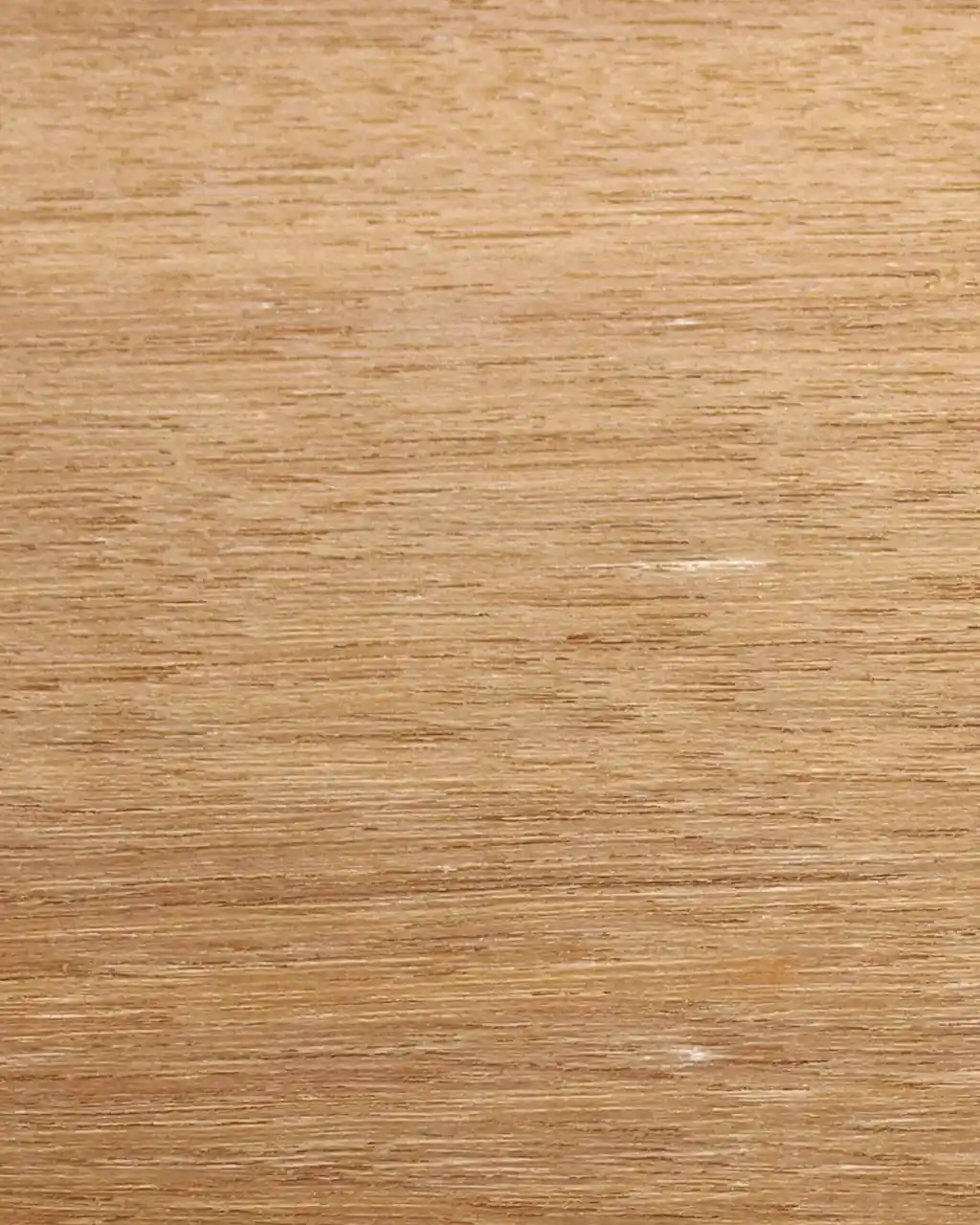
Kapur
An imported timber with a reputation for durability, in Malaysia and Indonesia kapur is a large hardwood used for general construction and as an internal and external finishing material. Kapur wood exhibits a class 2 durability, making it ideal for use in general construction. It makes an attractive material for flooring and staircases. The timber is also highly prized for external joinery, in particular for door and window sills, as it is resistant to decay when fully exposed to the weather. Kapur wood requires no finishing and will not rot when left outdoors where rain and sun will damage other lesser quality woods.
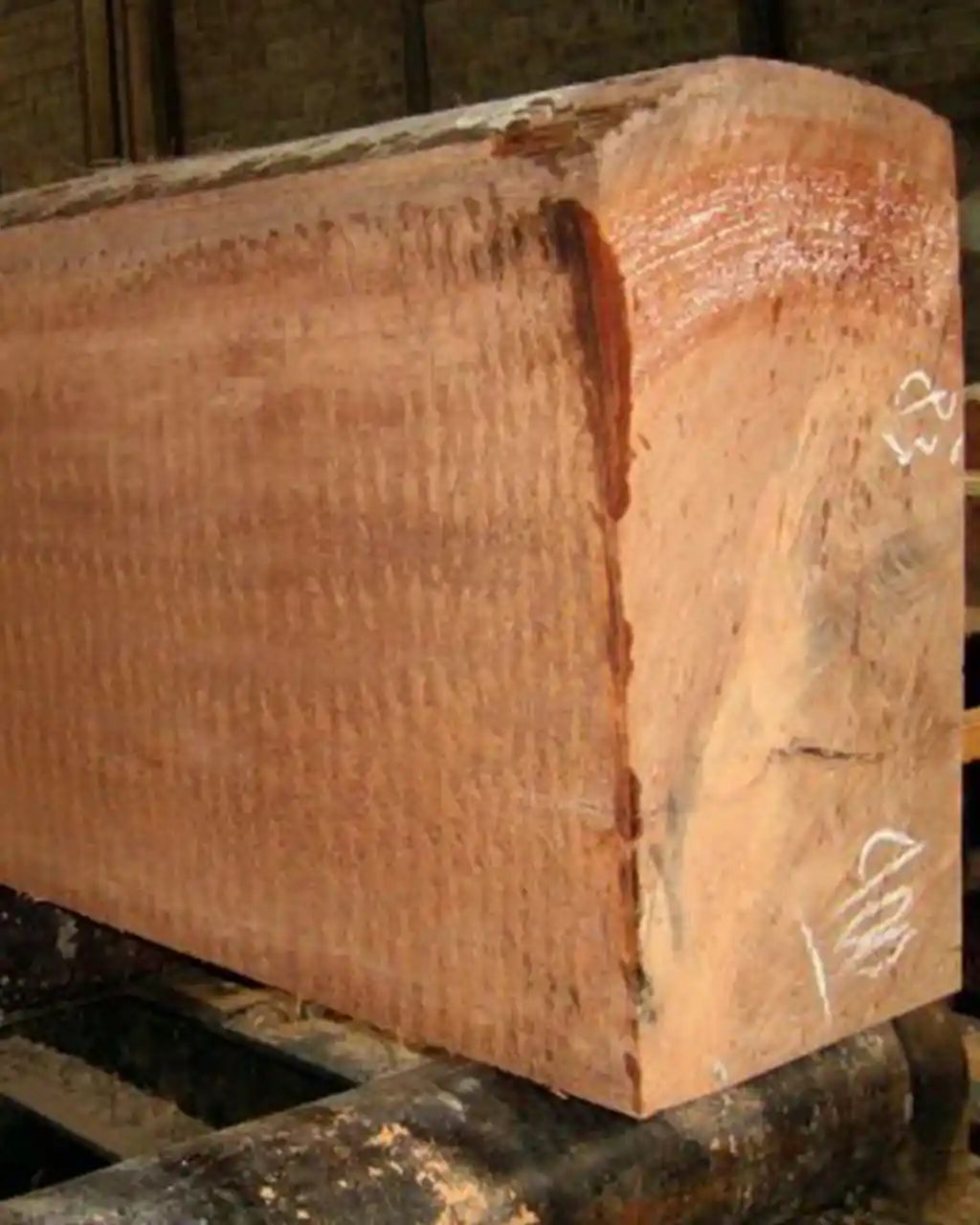
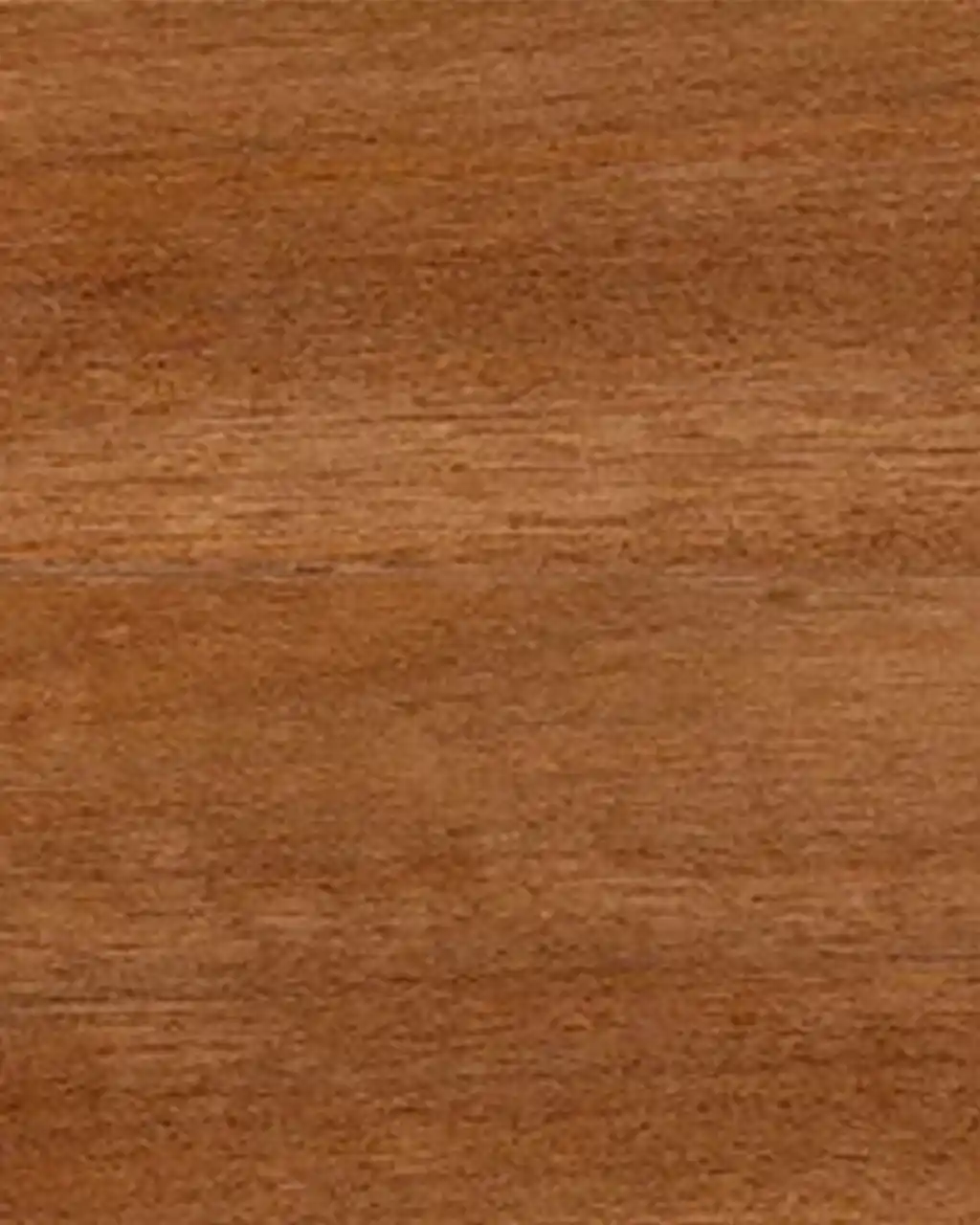
Keruing
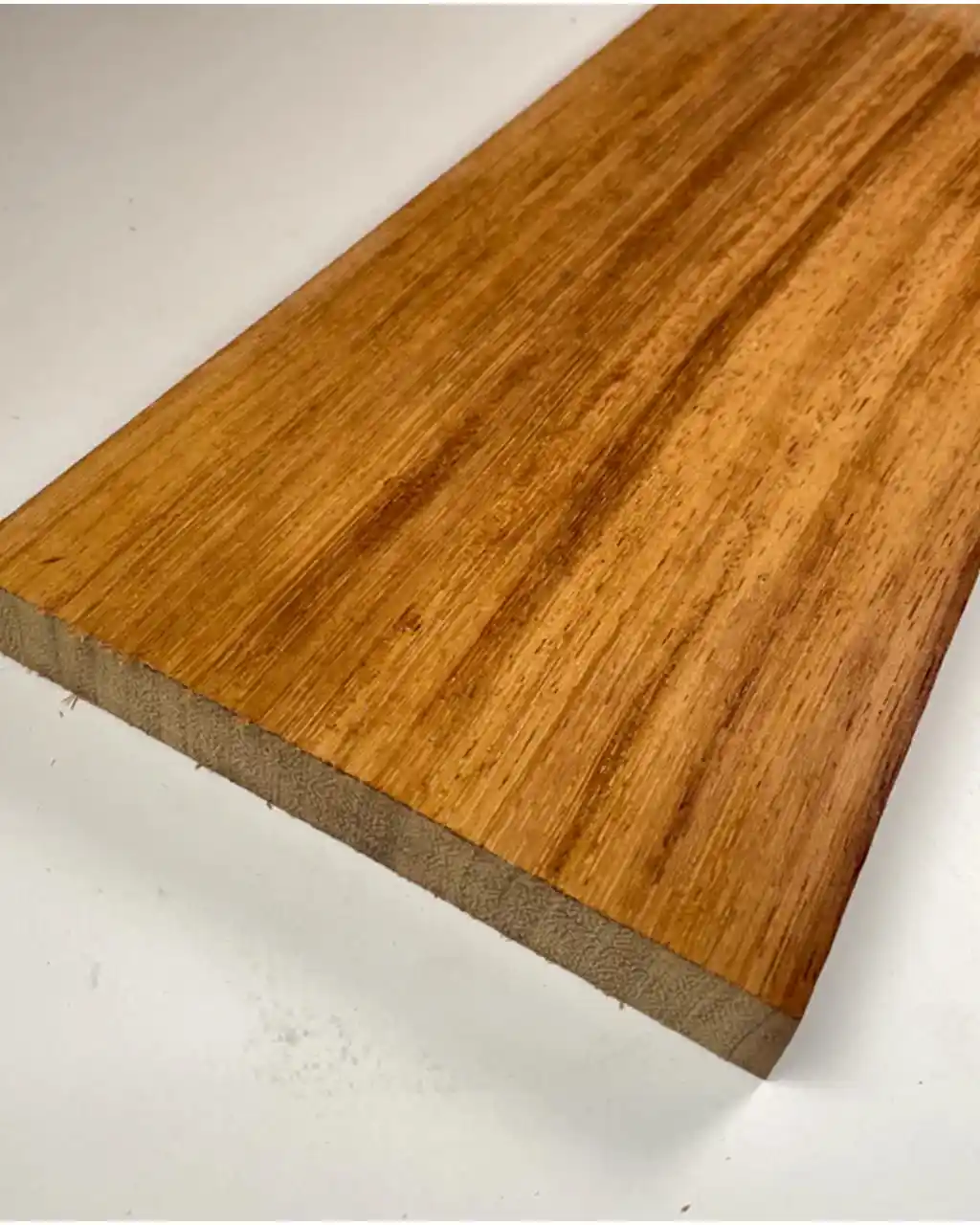
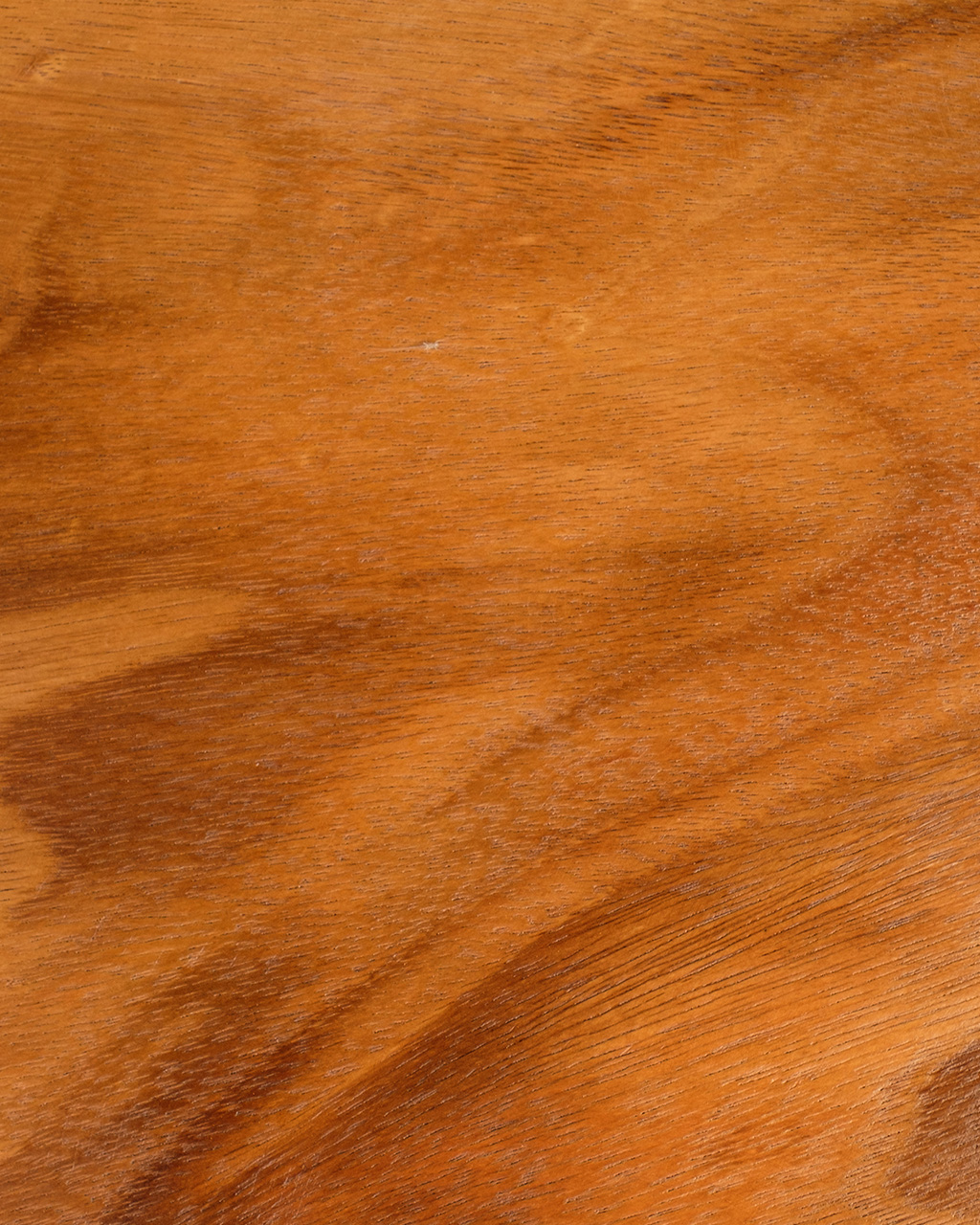
Iroko
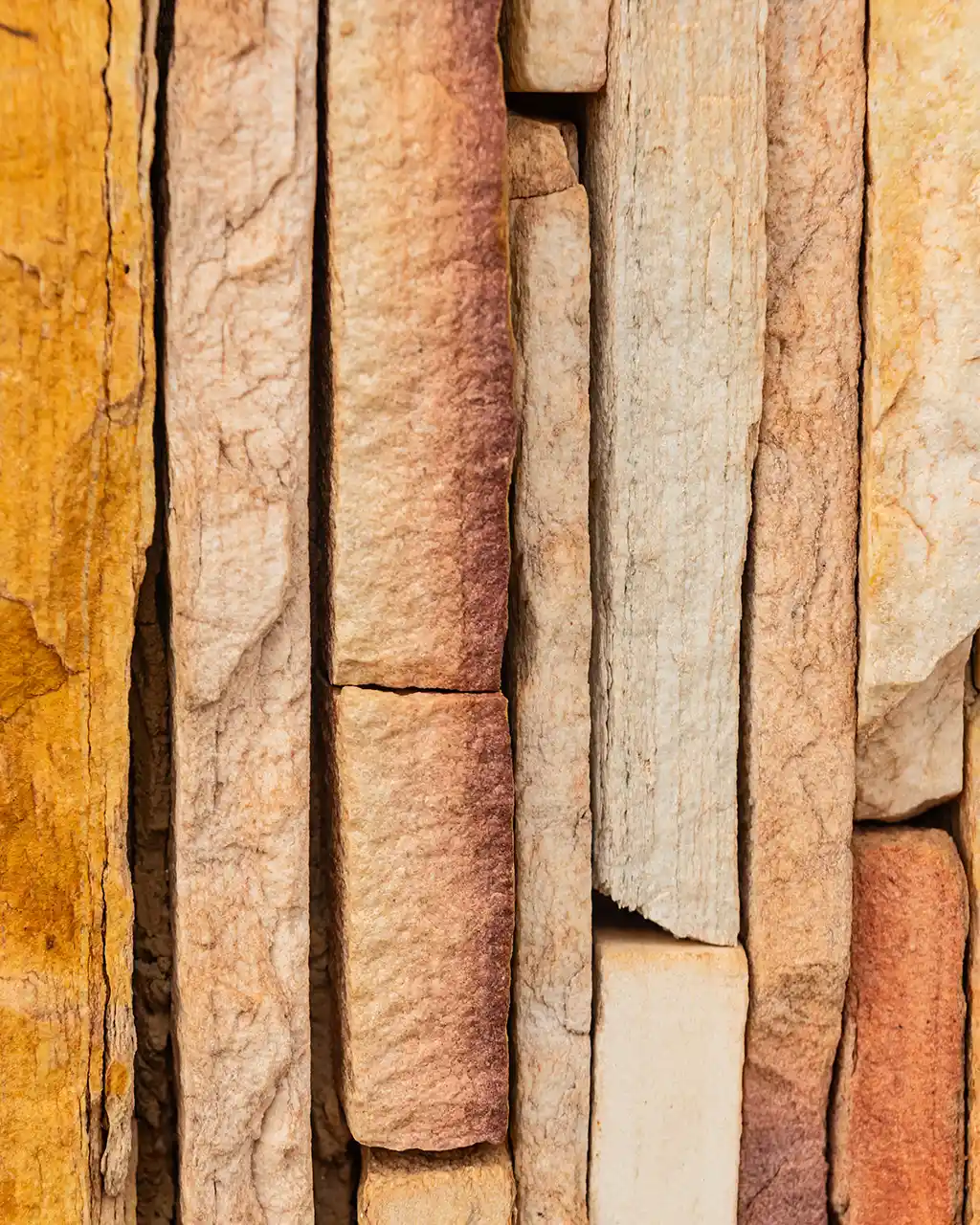
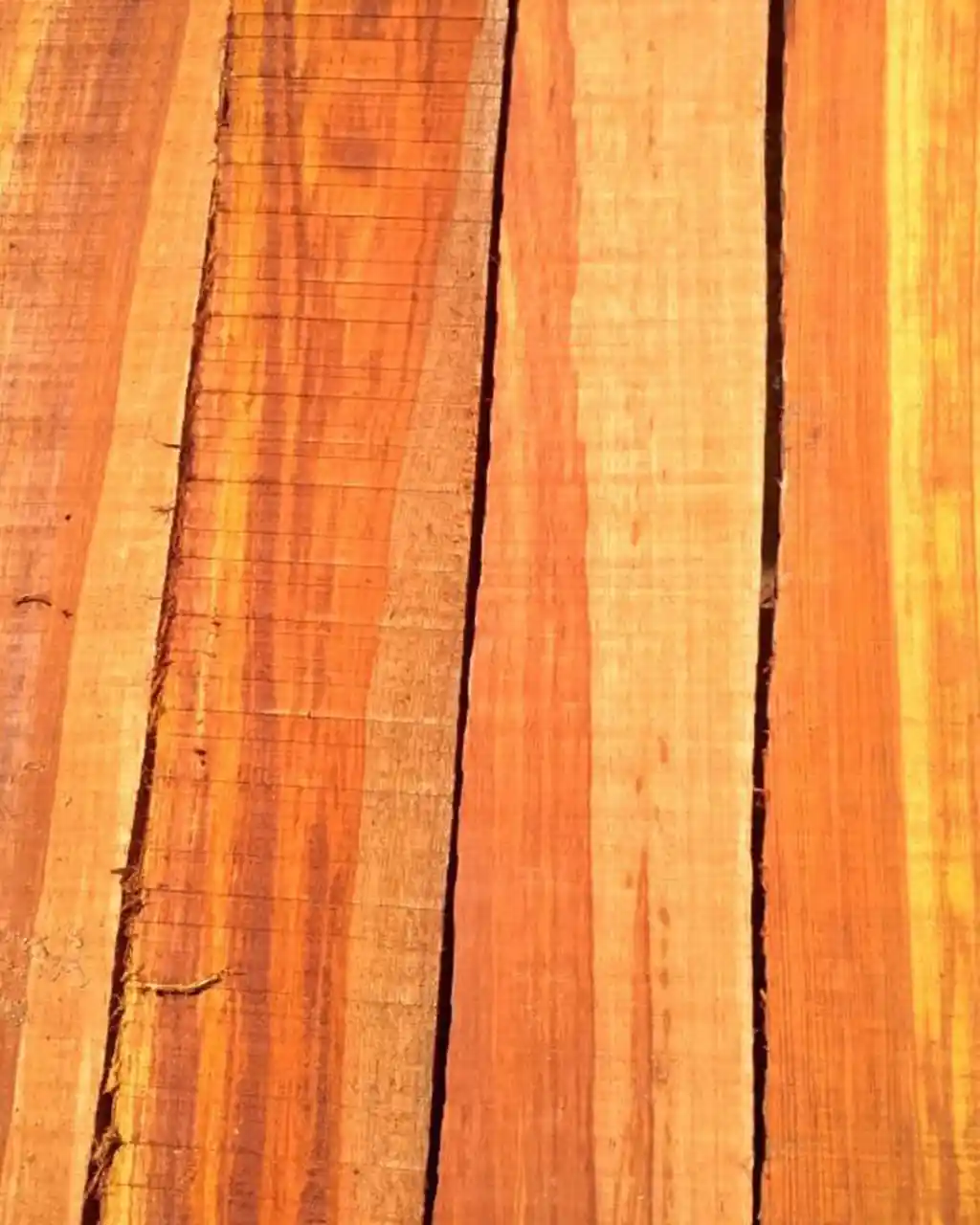
Mixed Hard Wood
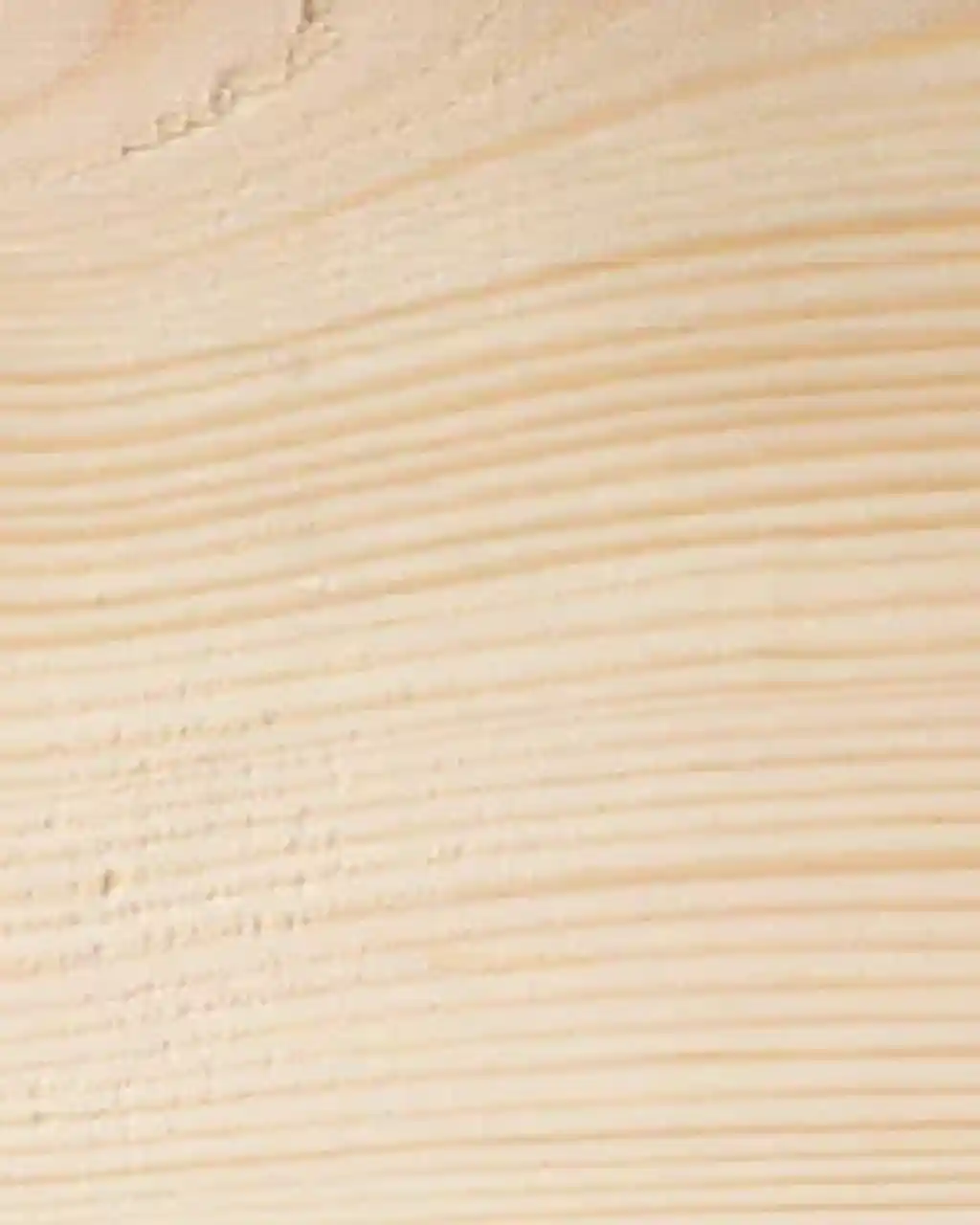
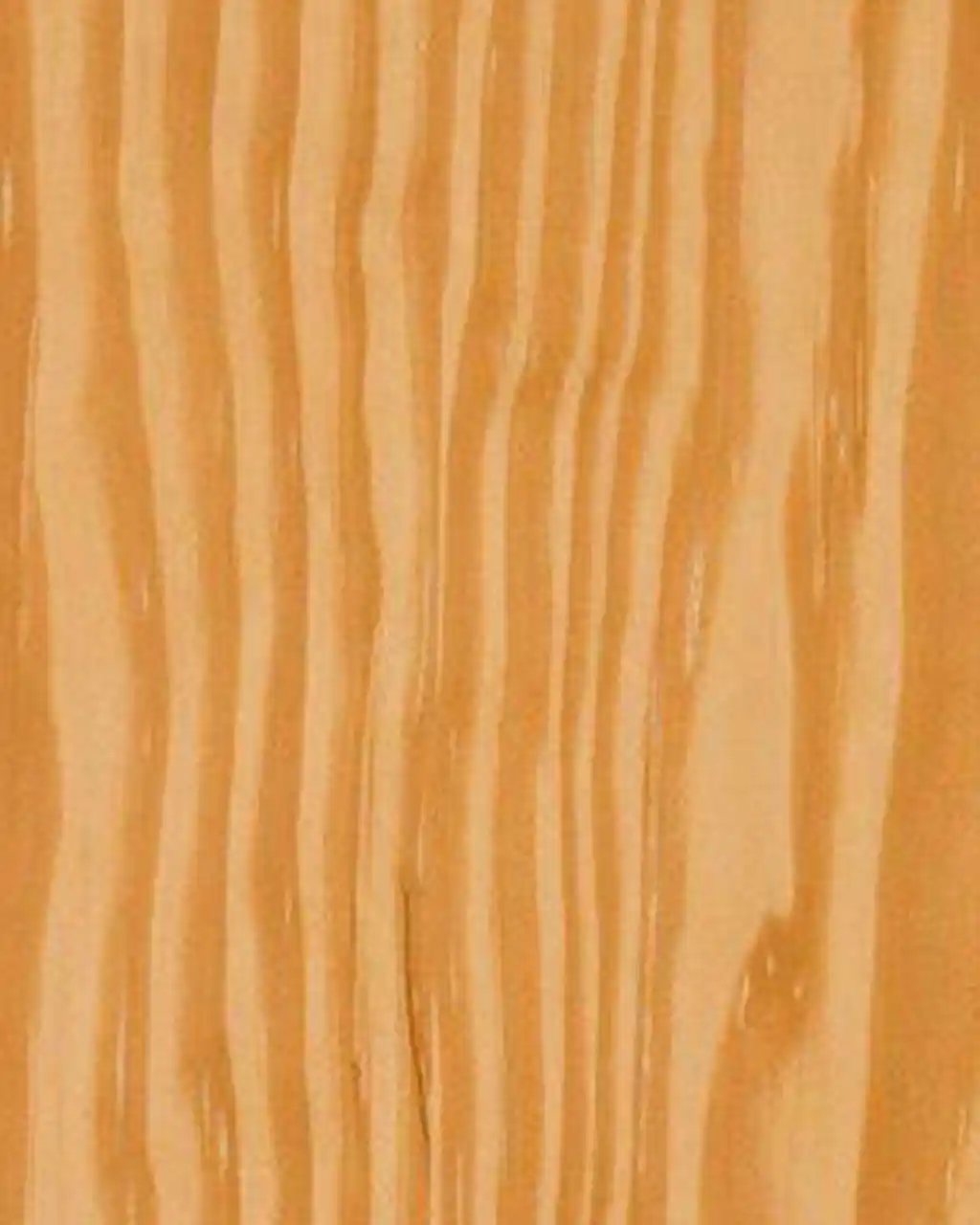
Soft Wood
All types of Softwood such as Pine, Douglas Fir, Spruce, Southern Yellow Pine etc come under this category.
Wood Specifications
| Species | Janka Hardness (lbf) | Density (kg/m³) | Durability Rating | Workability | Key Characteristics |
|---|---|---|---|---|---|
| Teak | 1000-1155 | 655 | Very Durable (Class 1) | Easy to Medium | Natural oils, weather resistant, golden-brown colour |
| Merbau | 1925 | 830 | Durable (Class 2) | Medium to Difficult | Extremely hard, water resistant, reddish-brown |
| Padauk | 1710-1970 | 745 | Very Durable (Class 1) | Easy to Medium | Vibrant reddish-orange, excellent decay resistance |
| Sal | 1200-1400 (est) | 700-800 (est) | Durable (Class 2) | Medium | Tough grain, termite resistant, construction grade |
| Meranti (Dark Red) | 1000-1200 (est) | 670 | Moderately Durable (Class 2-3) | Easy | Medium hardness, resin canals, interlocked grain |
| Meranti (Light Red) | 800-1000 (est) | 560 | Moderately Durable (Class 3) | Easy | Light colored, lower density, interior applications |
| Kapur | 1200-1400 (est) | 800 | Durable (Class 2) | Medium | Camphor odor, good strength, rose-red to dark brown |
| Keruing | 1200-1400 (est) | 740 | Durable (Class 2) | Medium to Difficult | Resin ducts, strong as teak, reddish-brown |
| Iroko | 1190 | 660 | Very Durable (Class 1) | Medium to Difficult | African teak substitute, golden to brown, stable |
| Mixed Hardwood | 800-1500 (VAR) | 500-800 (var) | Variable (Class 2-4) | Variable | Mix of various hardwood species, properties vary |
| Pine | 380-870 | 400-560 | Moderate (Class 4) | Excellent | Straight grain, resinous, easy to work |
| Spruce | 480-520 | 425-480 | Low (Class 4-5) | Excellent | Fine texture, lightweight, straight grain |
| Fir (Douglas) | 620 | 510 | Moderate (Class 3-4) | Good | Strong for weight, pronounced grain, construction |
| Softwoods (General) | 350-650 | 350-550 | Low to Moderate (Class 4-5) | Excellent to Good | Fast growth, lightweight, affordable, versatile |
Performance Analysis
Durability Class (EN 350-2)
-
Class 1: Very Durable (over 25 years exposed)
-
Class 2: Durable (15–25 years exposed)
-
Class 3: Moderately Durable (8–15 years exposed)
-
Class 4: Less Durable (<5 years exposed)
-
Class 5: Not Durable
Hardness Leaders
-
Merbau dominates (1925 lbf)
-
Padauk follows (1710-1970 lbf)
-
Sal, Kapur, Keruing (1200-1400 lbf)
Density Champions
-
Merbau leads at 830 kg/m³
-
Kapur at 800 kg/m³
-
Sal ranges 700-800 kg/m³
Durability Excellence
-
Class 1: Teak, Padauk, Iroko
-
Class 2: Merbau, Sal, Kapur, Keruing
-
Softwoods: Require treatment
Workability Assessment
-
Excellent: Pine, Spruce
-
Medium-Difficult: Merbau, Keruing
-
Easy-Medium: Teak, Padauk