
Available Plywood & Board Types
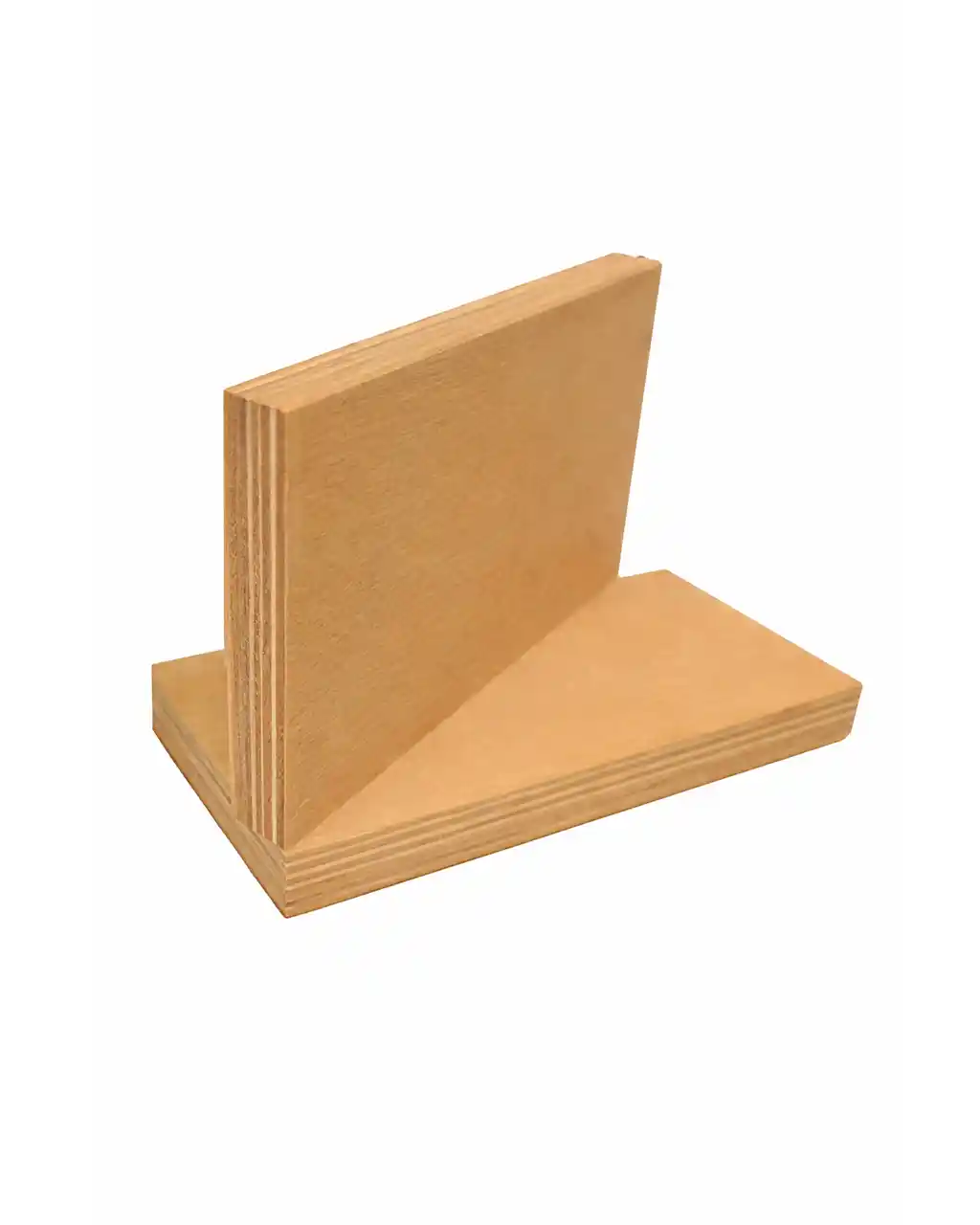
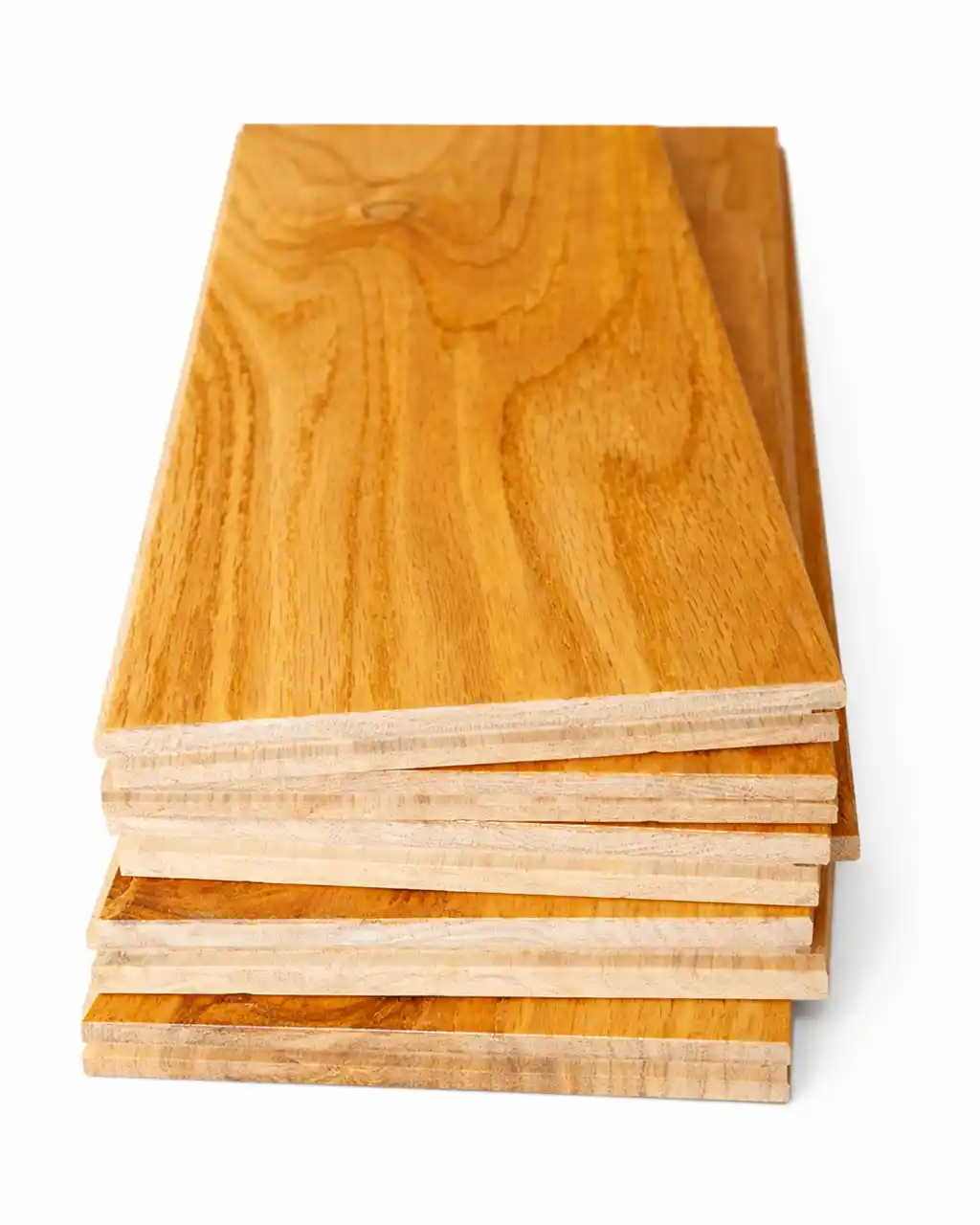
Plywood MR Grade
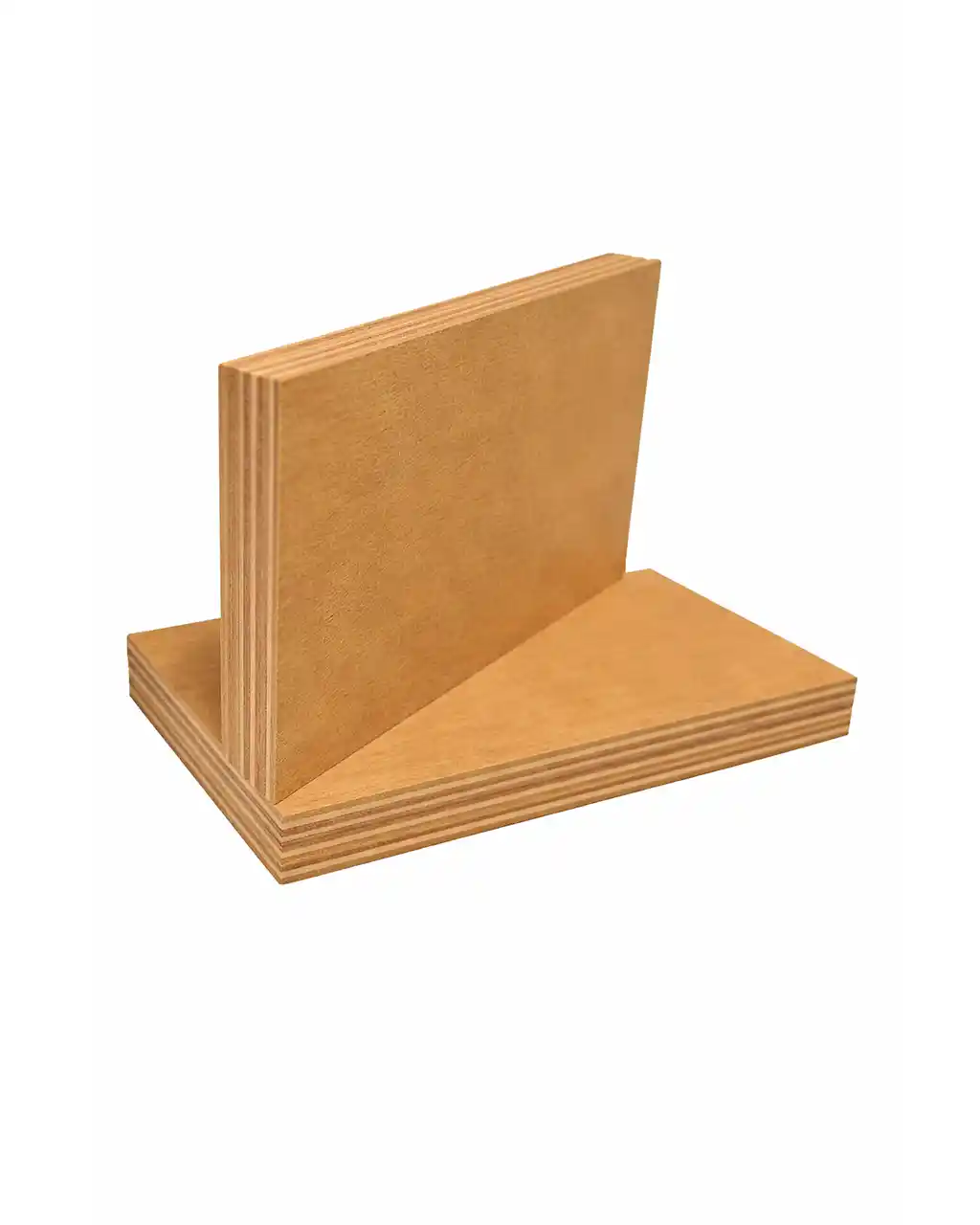
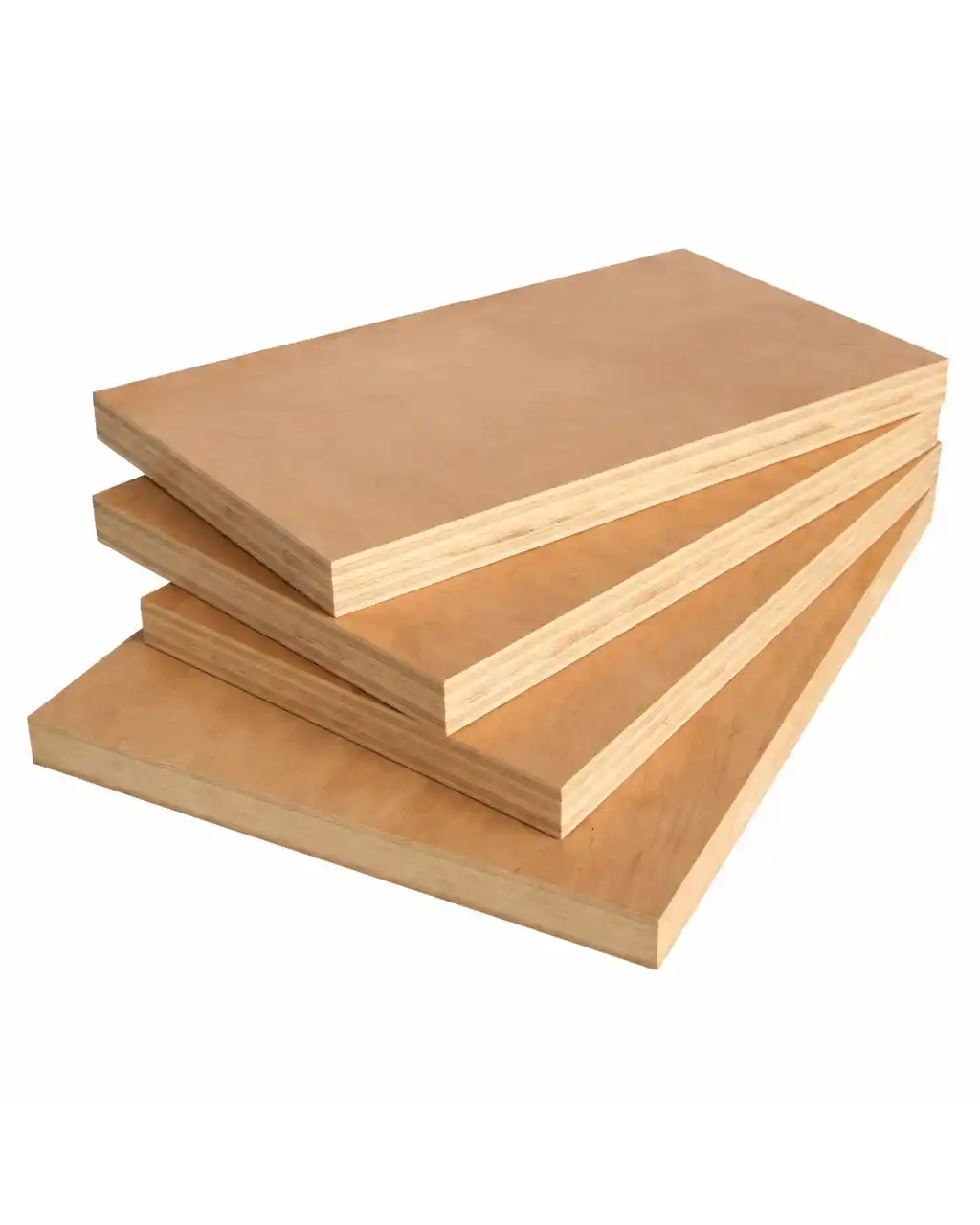
Plywood BWR Grade
Plywood BWP Grade
Plywood FFP (shuttering ply) Grade
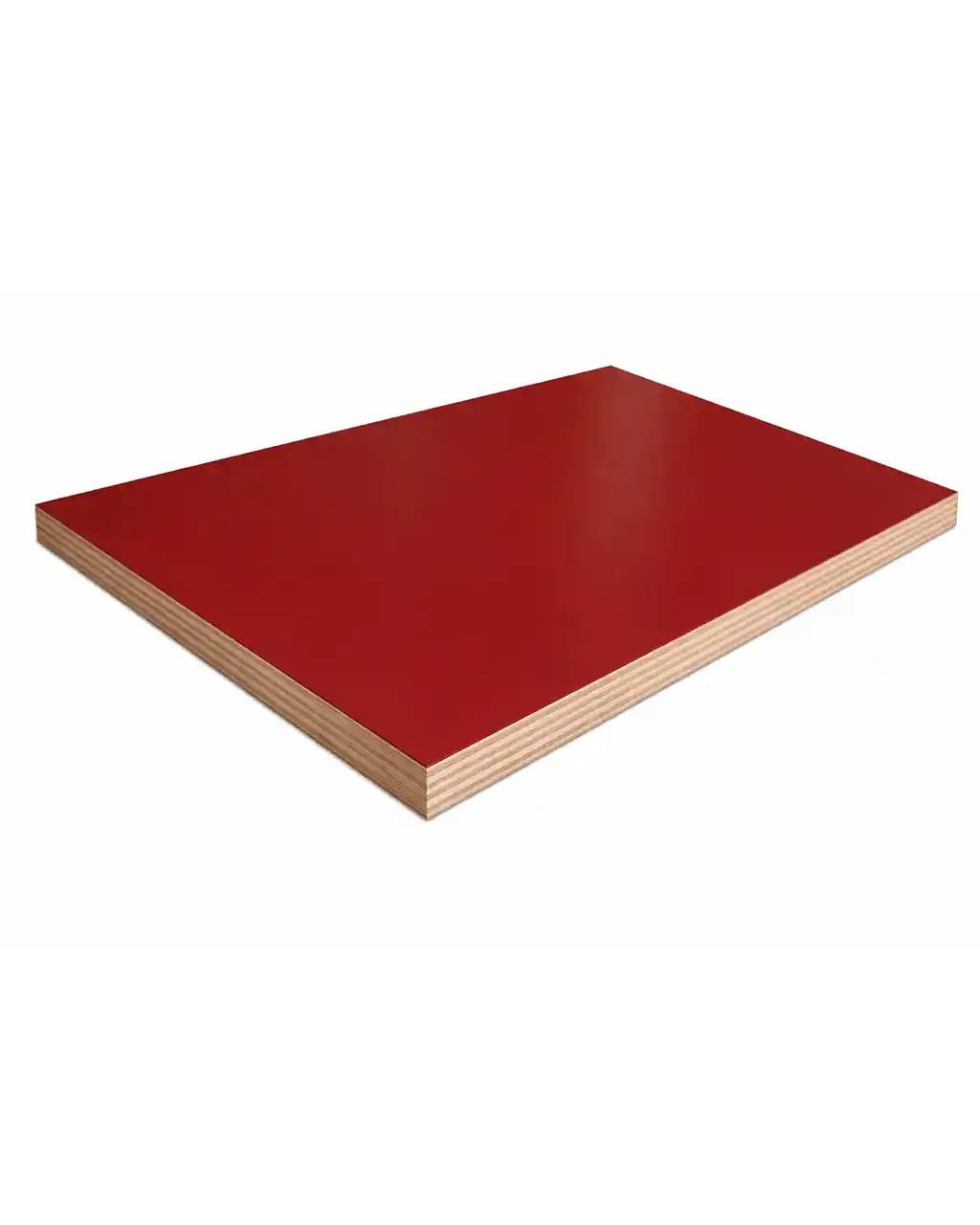
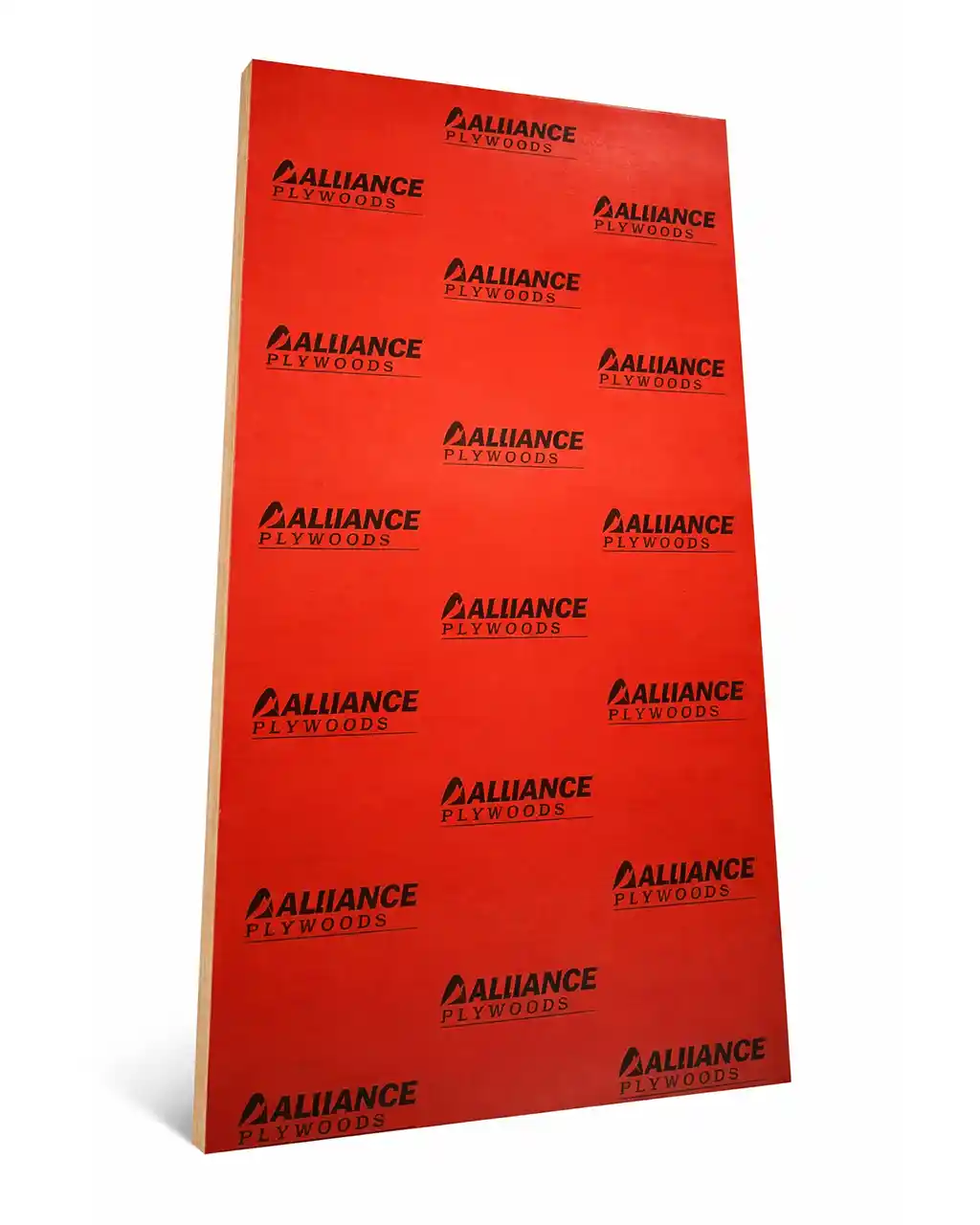
PLYWOOD FFP (SHUTTERING PLY) GRADE refers to a specific type of engineered plywood primarily used in construction, especially for concrete formwork (shuttering). It combines certain material features and surface treatments for performance in demanding, temporary construction applications. FFP stands for Film Faced Plywood. This plywood is covered on both sides with a synthetic film, typically phenolic or melamine, which makes the surface smooth, resistant to moisture, abrasion, chemicals, and fungal attack. The film gives a glossy or matt finish and has minimal adhesion to concrete, resulting in easy removal and a good finish on the cast surface.
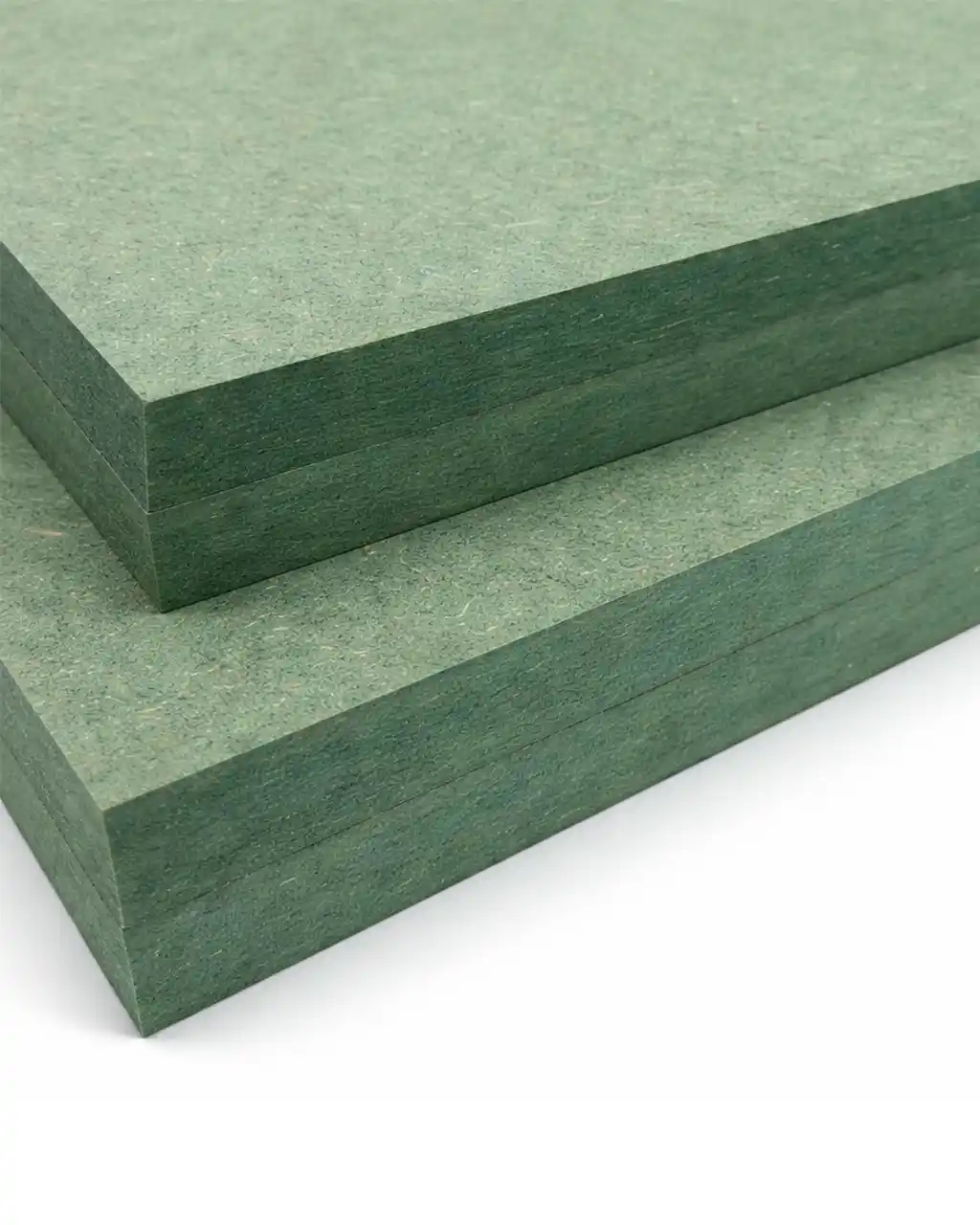
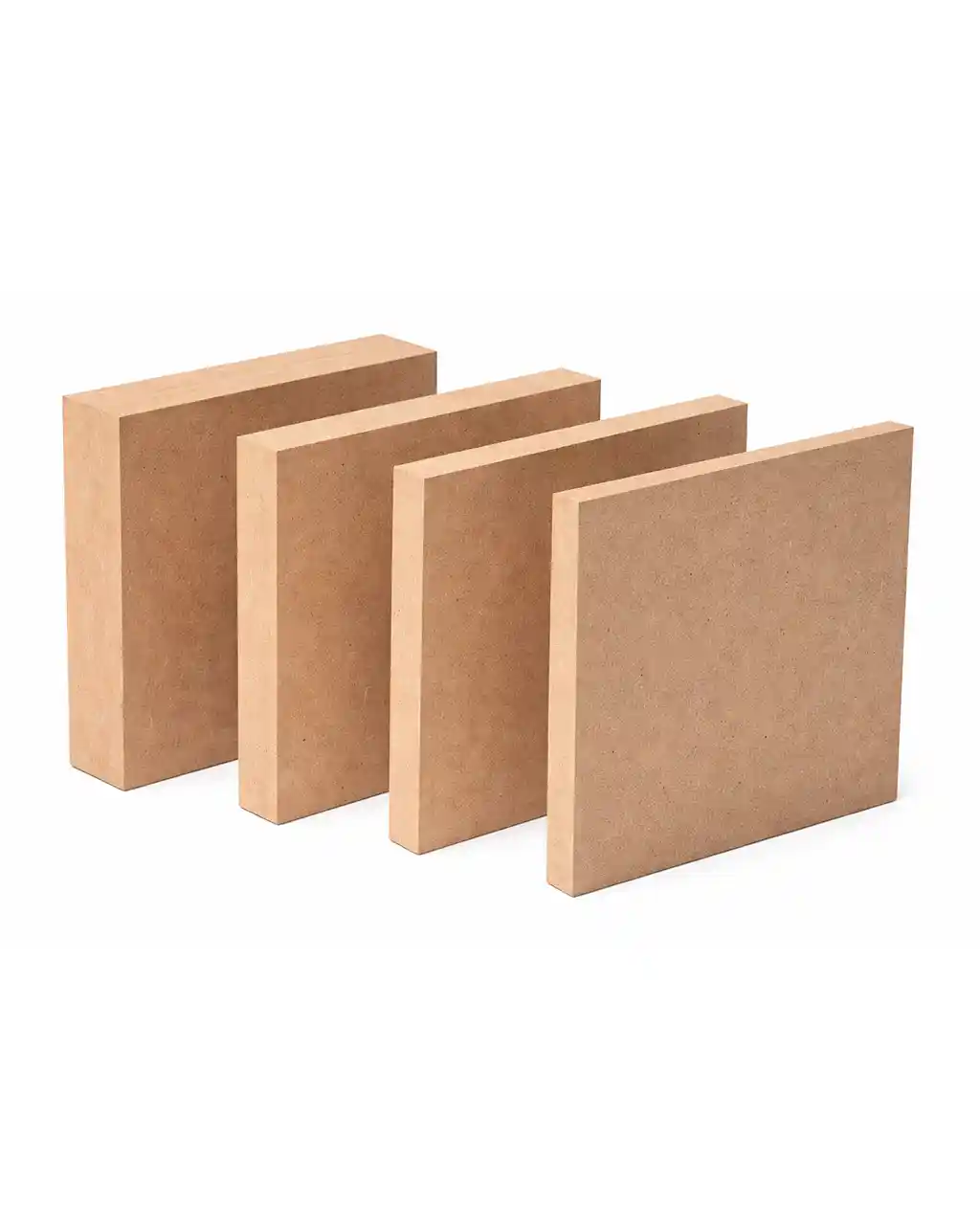
MDF MR & BWR Grade
MDF MR and BWR are common grades for engineered wood products in India and worldwide, mainly used in furniture and interior construction. MDF is an engineered wood product made from wood fibers bonded by resin under heat and pressure to form dense, smooth panels.
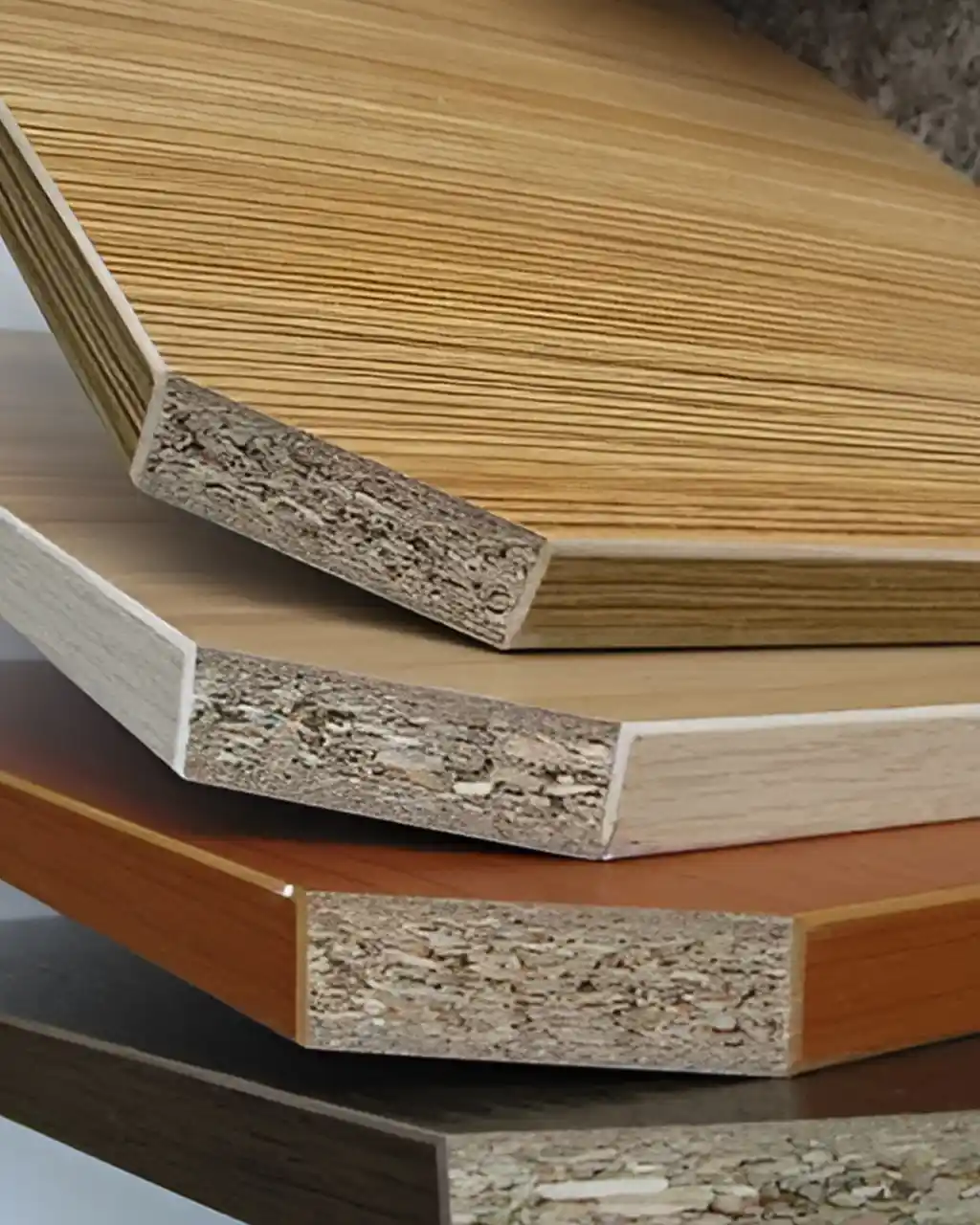
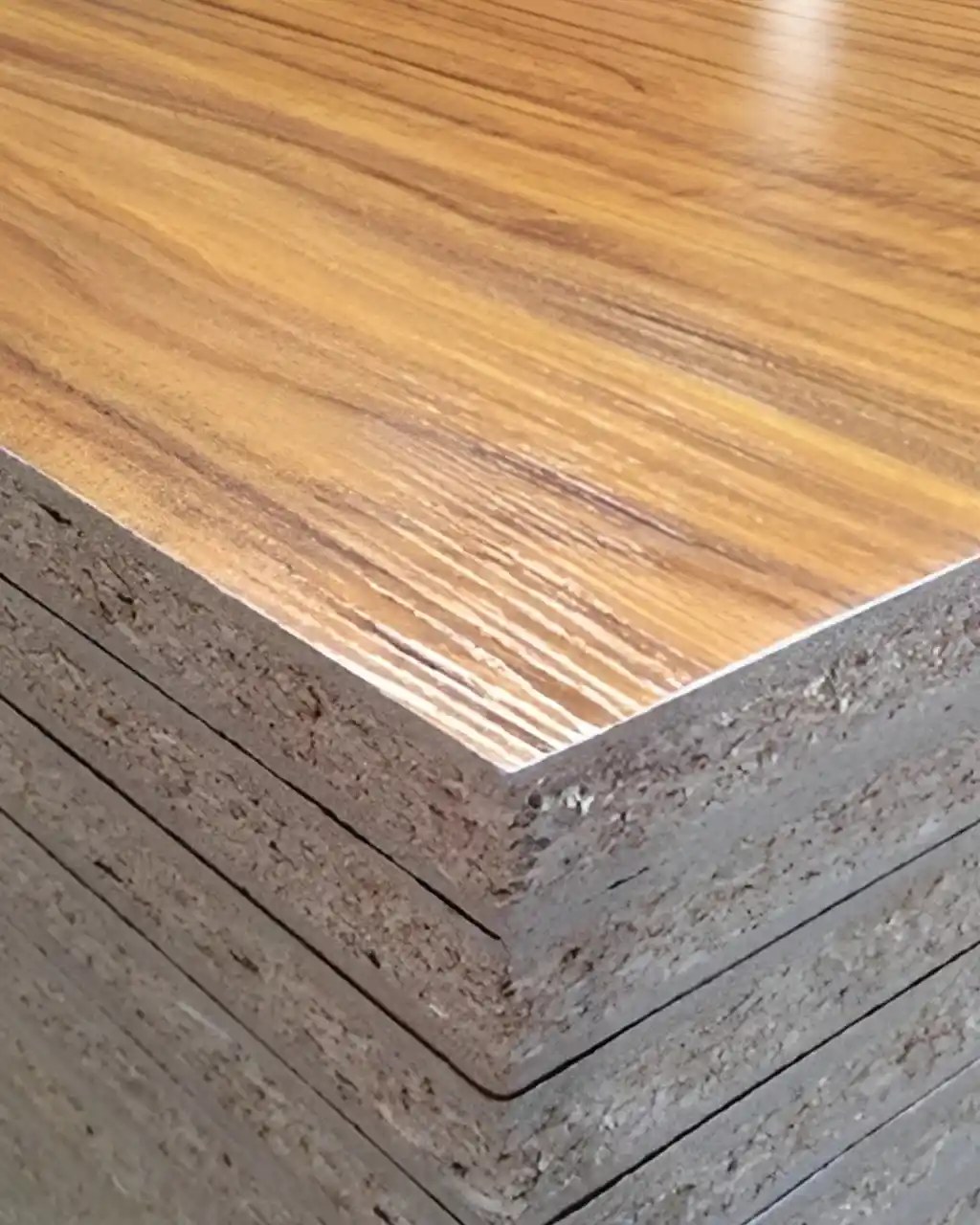
Particle Boards
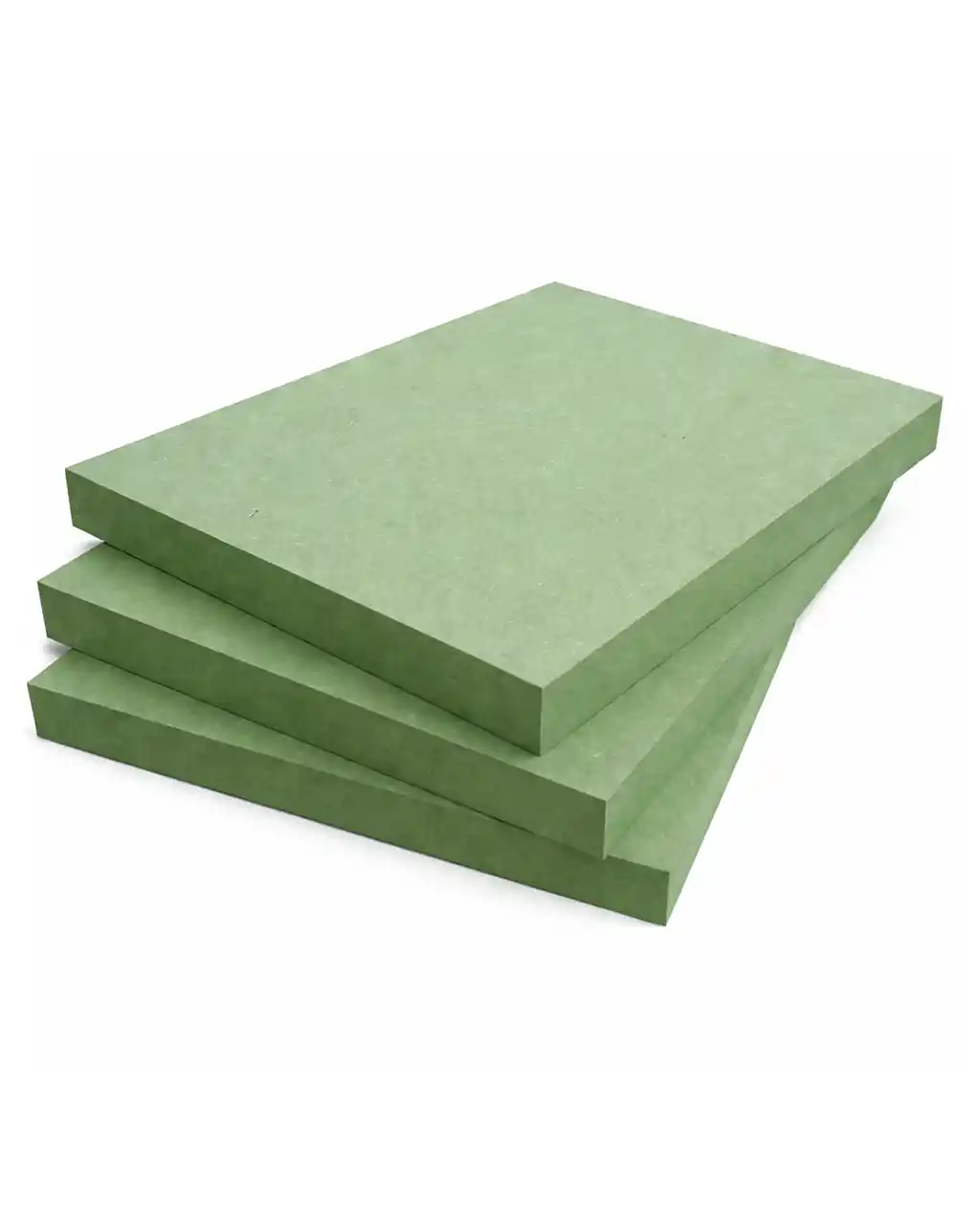
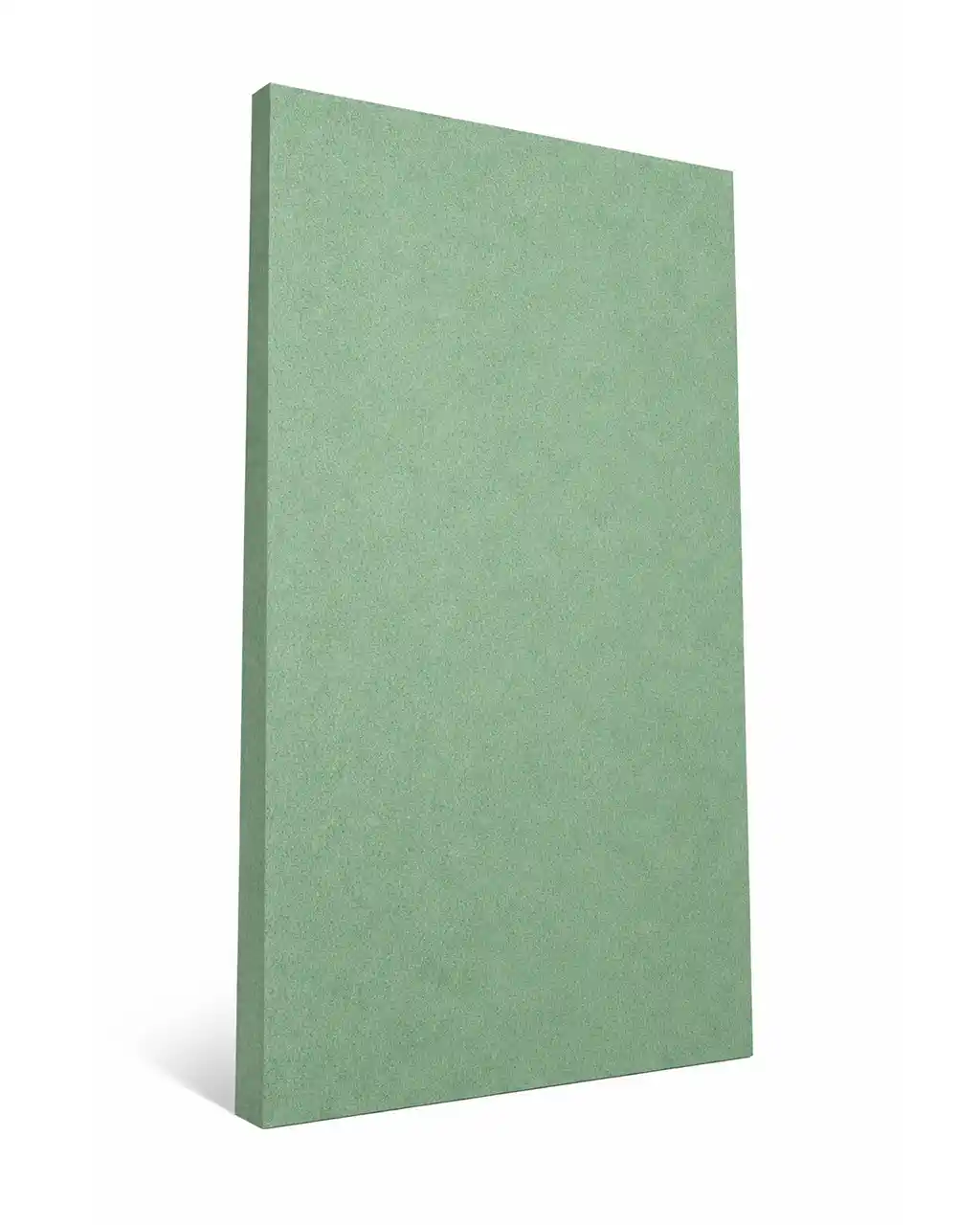
HDHMR Boards
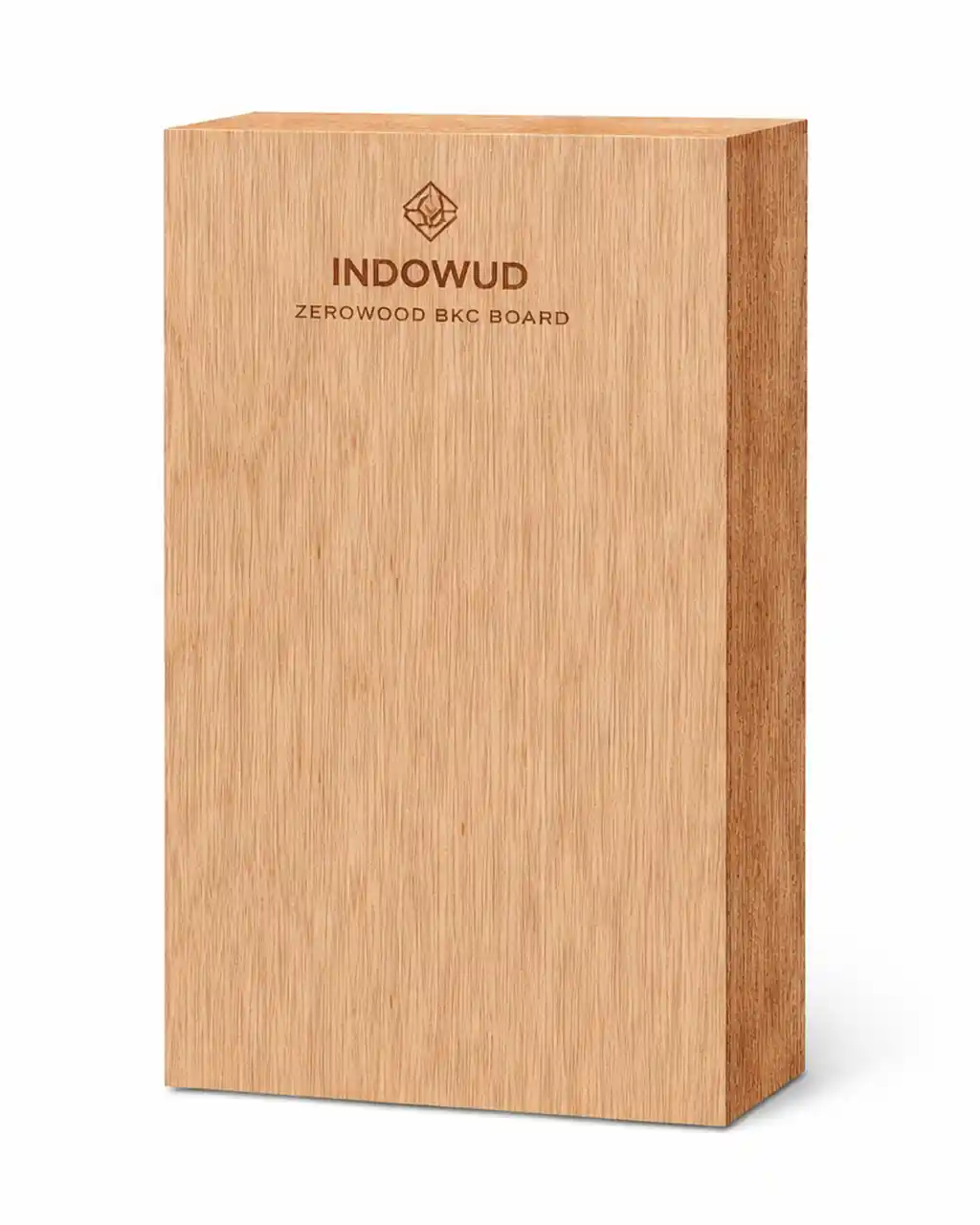
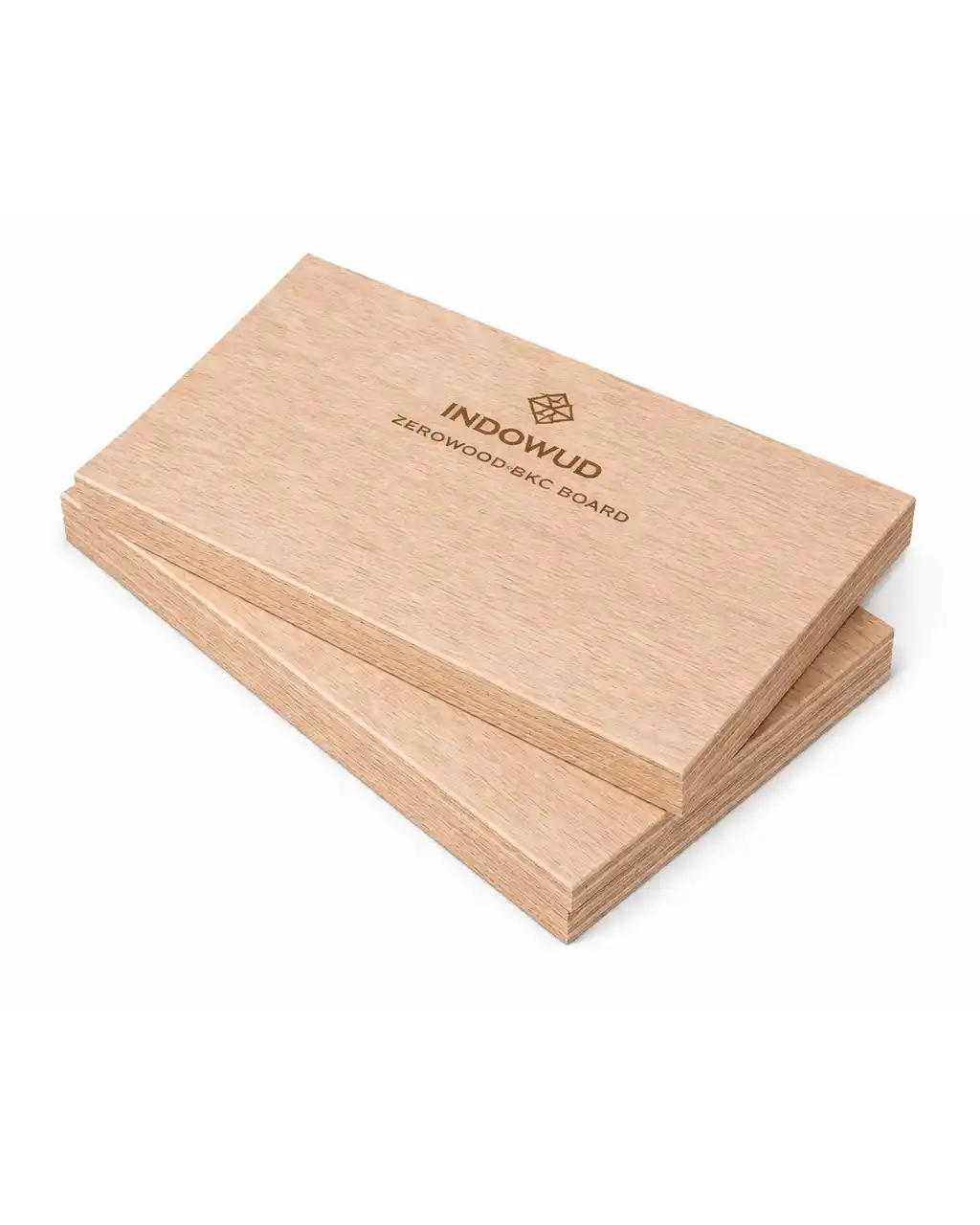
NFC Boards
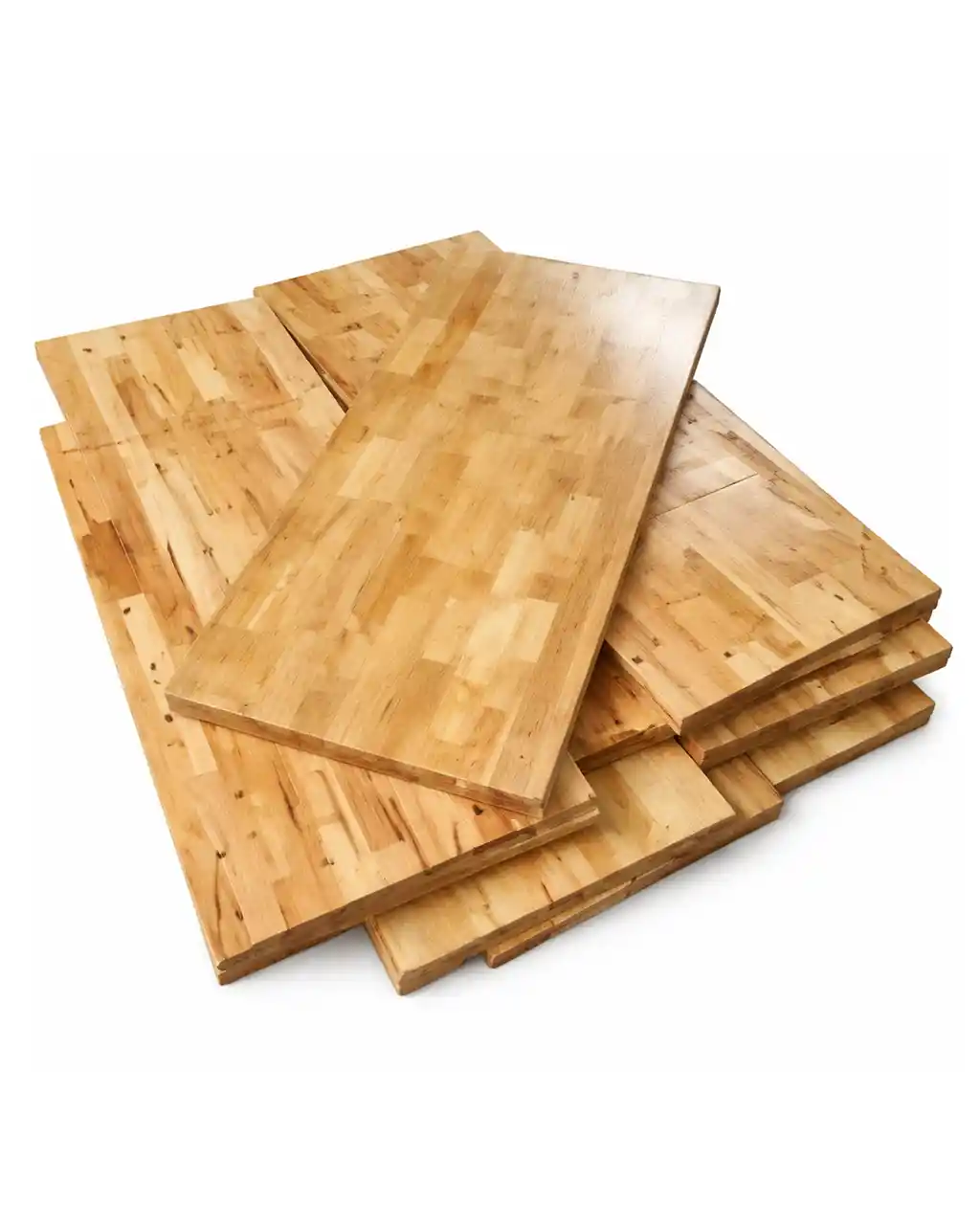
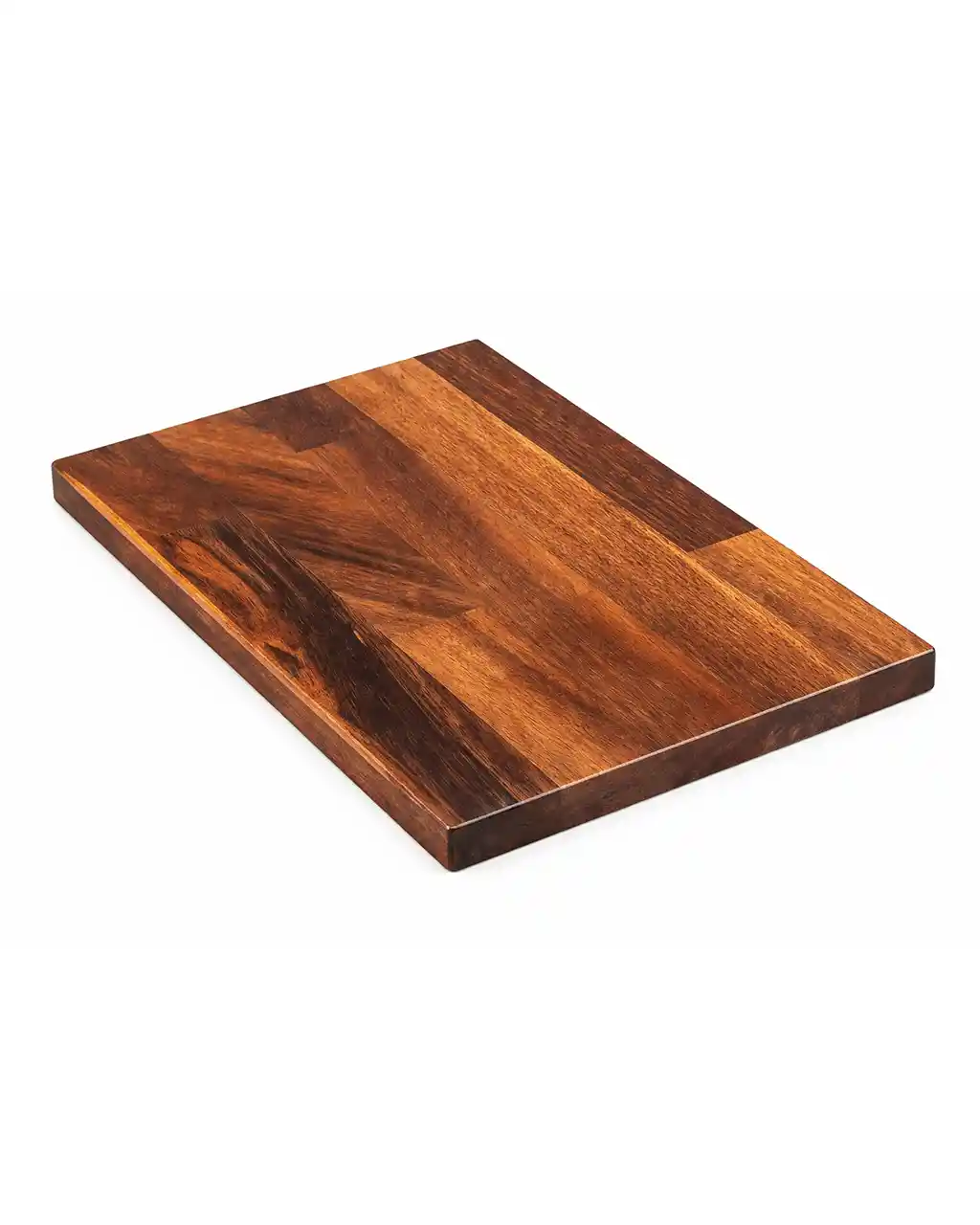
Finger Joint Boards
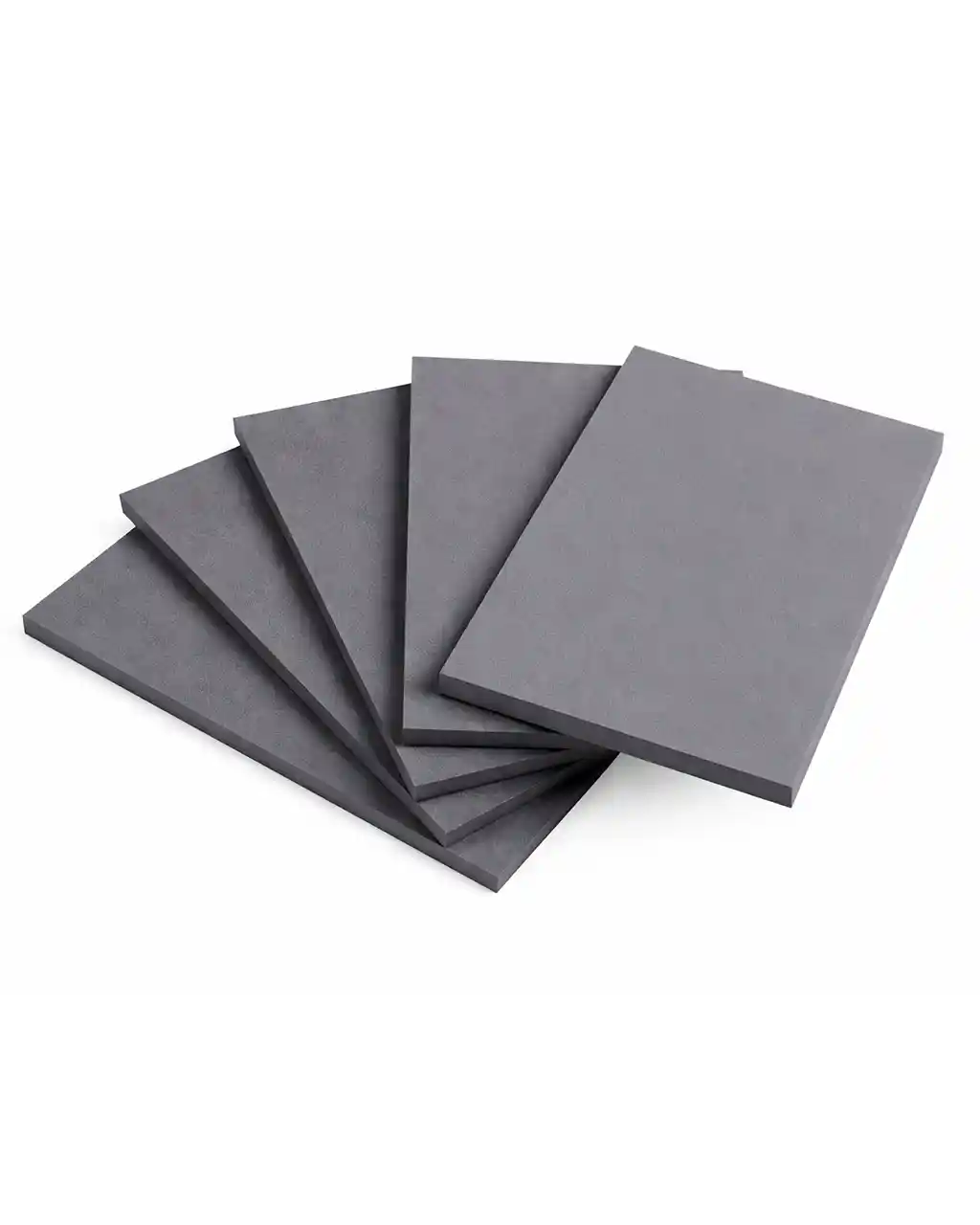
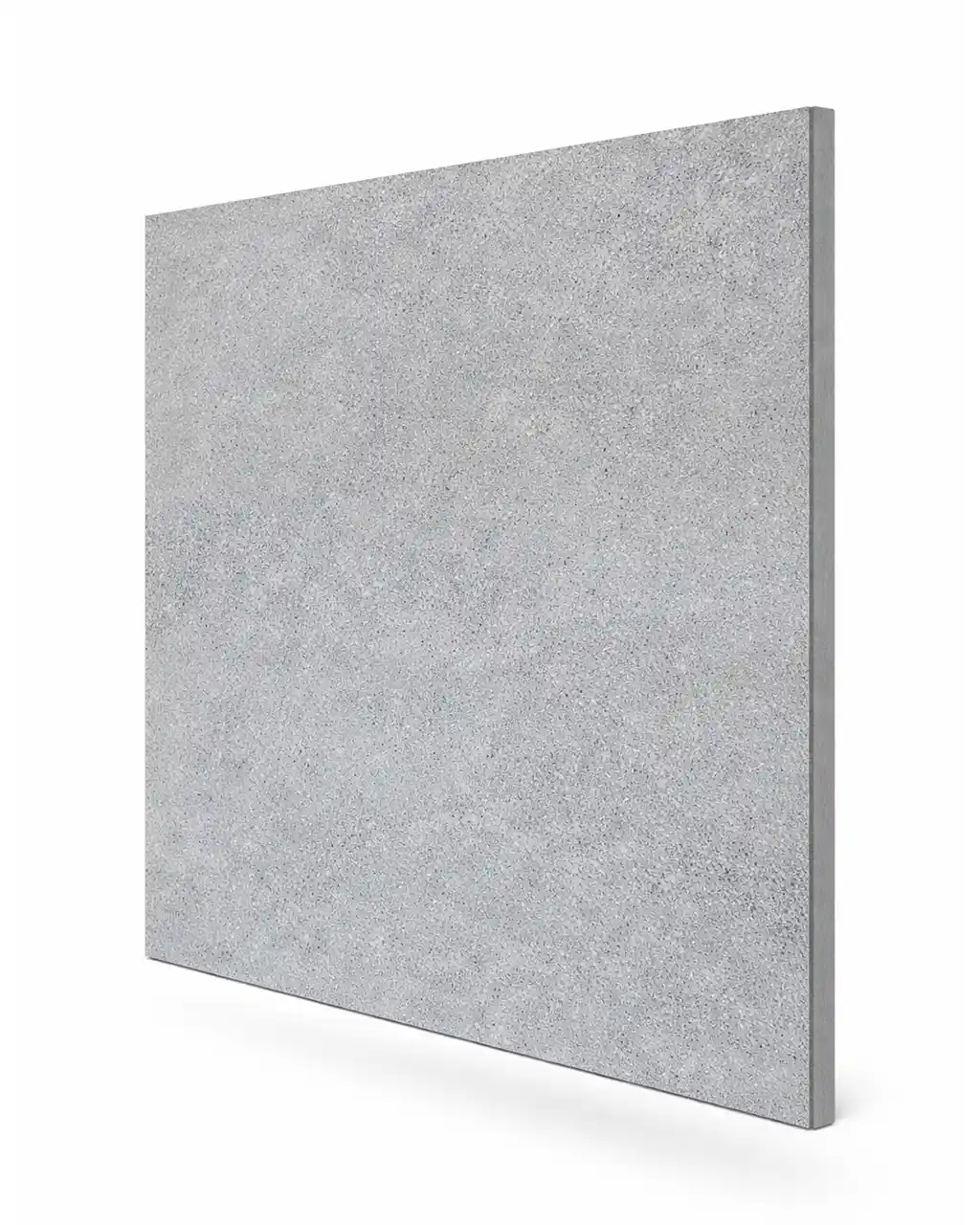
Cement Boards
Cement boards are engineered sheets made from a mixture of cement and reinforcing fibers or particles, commonly used in construction as a durable, moisture-resistant, and fire-resistant substrate or building material. They serve as a strong base for tile installation, exterior cladding, flooring underlayment, and wall paneling, especially in moisture-prone and high-impact areas. Typically made from Portland cement, cellulose fibers (natural plant fibers), wood flakes/particles, sand, water, and additives such as mica or polymers.
Plywood Grade Comparison (MR vs BWR vs BWP)
| Parameter | MR Grade (Moisture Resistant) | BWR Grade (Boiling Water Resistant) | BWP Grade (Boiling Water Proof) |
|---|---|---|---|
| Water Resistance | Resists humidity/moisture, not waterproof; suitable for dry interiors | High resistance to water; handles splashes and moisture but not continuous immersion | 100% waterproof, suitable for continuous water exposure and boiling water |
| Adhesive Used | Urea-formaldehyde (UF) resin | Phenol-formaldehyde (PF) resin | Phenol-formaldehyde (PF) resin |
| IS Specification | IS:303 | IS:303 | IS:710 |
| Strength & Durability | Good for interiors; less strong than BWR/BWP | Stronger and more durable than MR | Highest strength & durability (most robust grade) |
| Termite & Borer Resistance | Moderate to high (brand-dependent); lower than BWR/BWP | High | Highest; typically treated for best resistance |
| Suggested Applications | Interior furniture, wardrobes, panels, partitions (not exposed to water) | Kitchen cabinets, bathroom furniture, semi-outdoor, and areas with occasional water contact | Kitchen, bathroom, under-sink storage, outdoor, marine, and high-humidity environments |
| Cost | Lowest | Medium | Highest |
| Core Gaps | May have minor core gaps | Fewer gaps, better consistency | Minimal core gaps; very uniform |
| Warranty | 5 years typical (brand-dependent) | 8+ years (brand-dependent) | 8 years to lifetime (brand-dependent) |
| Other Names/Common Use | Commercial Plywood | Exterior Grade Plywood | Marine Plywood |
| Notable Limitation | Not for wet or damp areas | Not for continuous or prolonged exposure to water | None for water exposure; most robust choice |
Comprehensive Board Material Comparison
| Parameter | Plywood | MDF | Particle Board | HDHMR | NFC | Finger Joint Boards | Cement Boards |
|---|---|---|---|---|---|---|---|
| Composition | Veneers of real wood glued and pressed in layers with cross-grain orientation | Wood fibers bonded with resin under heat and pressure | Wood chips and sawdust bonded with synthetic resin | Wood fibers and chips compressed with moisture-resistant resins | Natural fibers + polymer resin composite (e.g., agricultural waste + polymer) | Small wood pieces joined end-to-end by interlocking finger joints with adhesive | Cement + reinforcing fibers (cellulose or synthetic) + wood particles |
| Density (kg/m³ approx.) | 600–700 | 600–800 | 600–700 | 850–900 | Variable, often high | Comparable to solid wood (~600–700) | ~1500–1800 (much denser) |
| Moisture Resistance | Moderate, better than MDF & particle board; varies by grade (WBP/Marine types superior) | Low to moderate (MR grade resists humidity, not waterproof) | Low; prone to swelling and damage on water exposure unless treated | High; designed for high humidity and water exposure | Very high; waterproof and termite resistant | Moderate; depends on wood and glue quality | Very high; waterproof, does not warp or rot |
| Strength | High strength; cross-laminated structure adds rigidity | Moderate; good compressive strength but weaker than plywood | Lower strength; brittle under heavy load | High strength and load-bearing capacity | High strength due to composite structure | Strong joint bonds; generally strong and stable | Very high strength; supports heavy loads |
| Durability | Durable; reusable in construction, some grades last years | Moderate; not very resistant to impact or moisture | Less durable; damaged easily by moisture or rough handling | High durability under wet/humid conditions | Very durable, termite-proof, fire resistant | Durable; stable and less prone to warping | Very durable, long-lasting in wet or fire-prone areas |
| Surface Finish | Natural wood veneer; can be laminated or coated | Smooth, uniform, ideal for painting/laminating | Coarse edges; usually laminated or veneered | Smooth surface, suitable for laminates and veneers | Smooth, can be finished similarly to wood or plastic | Wood grain finish; joints visible but can be finished | Cementitious, smooth or textured surface, ready for tiling or paint |
| Typical Thickness Range | 3-25 mm (commonly 6-18mm) | 3-35 mm | 6-40 mm | Usually 6-25 mm | Varies by product, commonly 6-20 mm | Varies; often dimensioned like lumber | 3-40 mm depending on application |
| Weight | Medium | Medium to heavy | Light | Heavy | Medium to heavy | Medium to heavy | Very heavy |
| Applications | Structural formwork, furniture, doors, flooring, paneling | Furniture, cabinetry, interior paneling, doors | Inexpensive furniture, shelving, partition walls | Kitchens, wardrobes, bathroom furniture, doors | Sustainable furniture, doors, cladding, partitions | Furniture, construction beams, doors, panels | Tile backing, wet walls, exterior cladding, flooring underlayment |
| Cost | Moderate to high | Moderate | Low | Moderate to high | Moderate to high | Moderate | Moderate to high |
| Environmental Impact | Uses real wood veneers; sustainability depends on source | Uses wood fibers; some formaldehyde emissions possible | Uses wood waste; less durable, disposable | Uses wood waste but better longevity reduces replacement | Eco-friendly; uses natural fibers and recycled materials | Efficient wood use; reduces waste | Contains cement; production energy intensive but long-lasting |
| Resistance to Termites | Generally susceptible | May be susceptible | Susceptible | More resistant due to resin and density | Termite proof | Depends on wood used; less prone due to adhesives | Termite proof |
| Fire Resistance | Low to moderate; depends on treatment | Low | Low | Moderate | High fire resistance | Low unless treated | High fire resistance |
| Workability | Good; can be cut, nailed, screwed | Excellent; easy to cut and shape | Moderate; breaks if mishandled | Good screw holding and machining | Good; machines like wood or plastic | Good; can be cut and shaped like solid wood | Moderate; requires special tools for cutting |